INTRODUCTION
It is tempting to size WiFi with a quick area formula. Yet a hotel room, a vacation rental and an office of similar size behave very differently.
Airbnb emphasizes guest experience and remote support. Hotels add room density, shared areas and rapid turnover. Offices depend on work applications, permissions, corporate devices, visitors and sometimes voice or internal systems. Design begins with the experience the network must sustain, not with how many access points fit.
1. Airbnb: simple guest use and remote operation
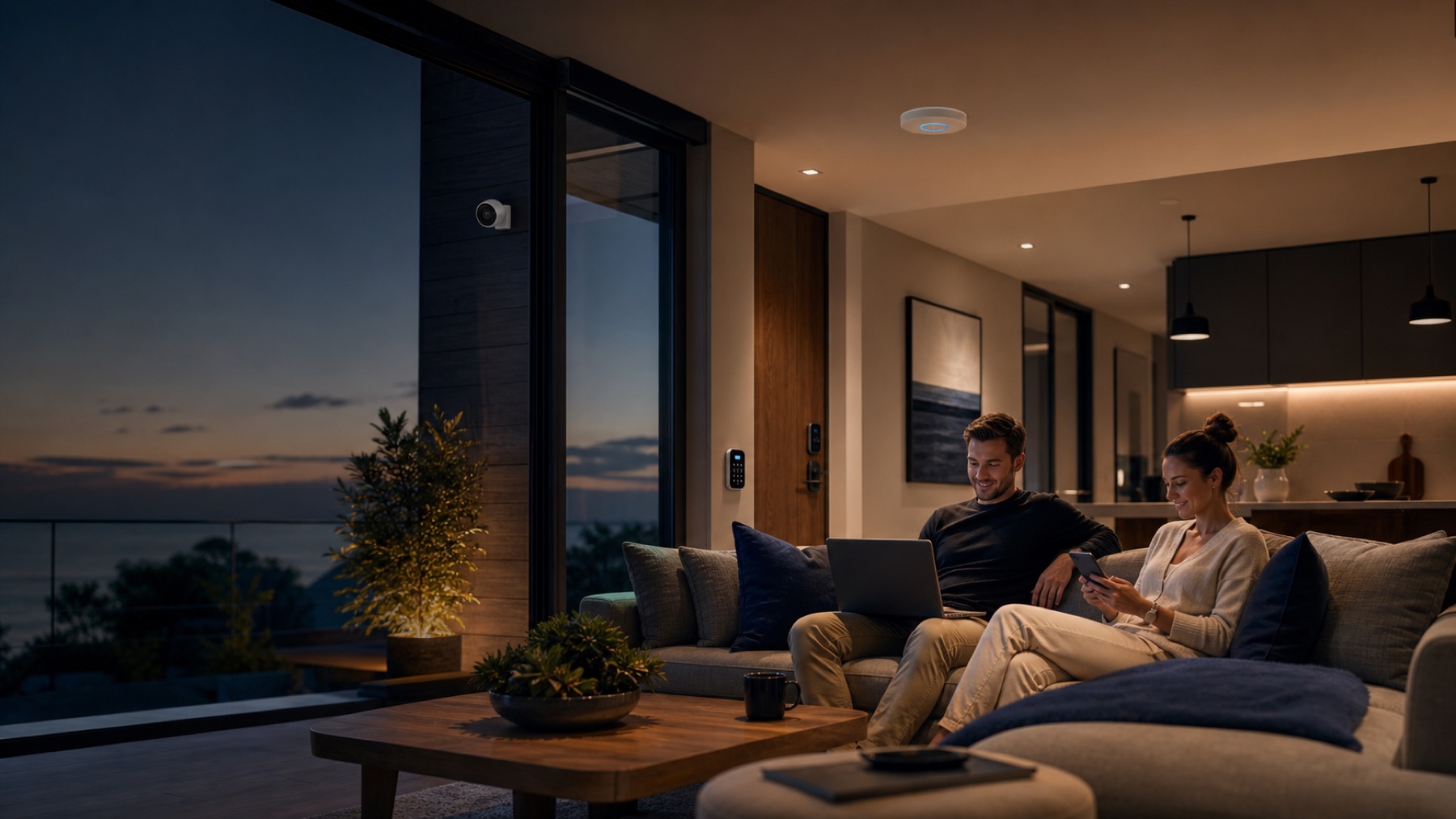
Coverage must follow bedrooms, terraces and work areas while cameras, locks and IoT remain appropriately separated. The host needs to locate a provider, device or area fault without being on site.
2. Hotel: the network is part of the service
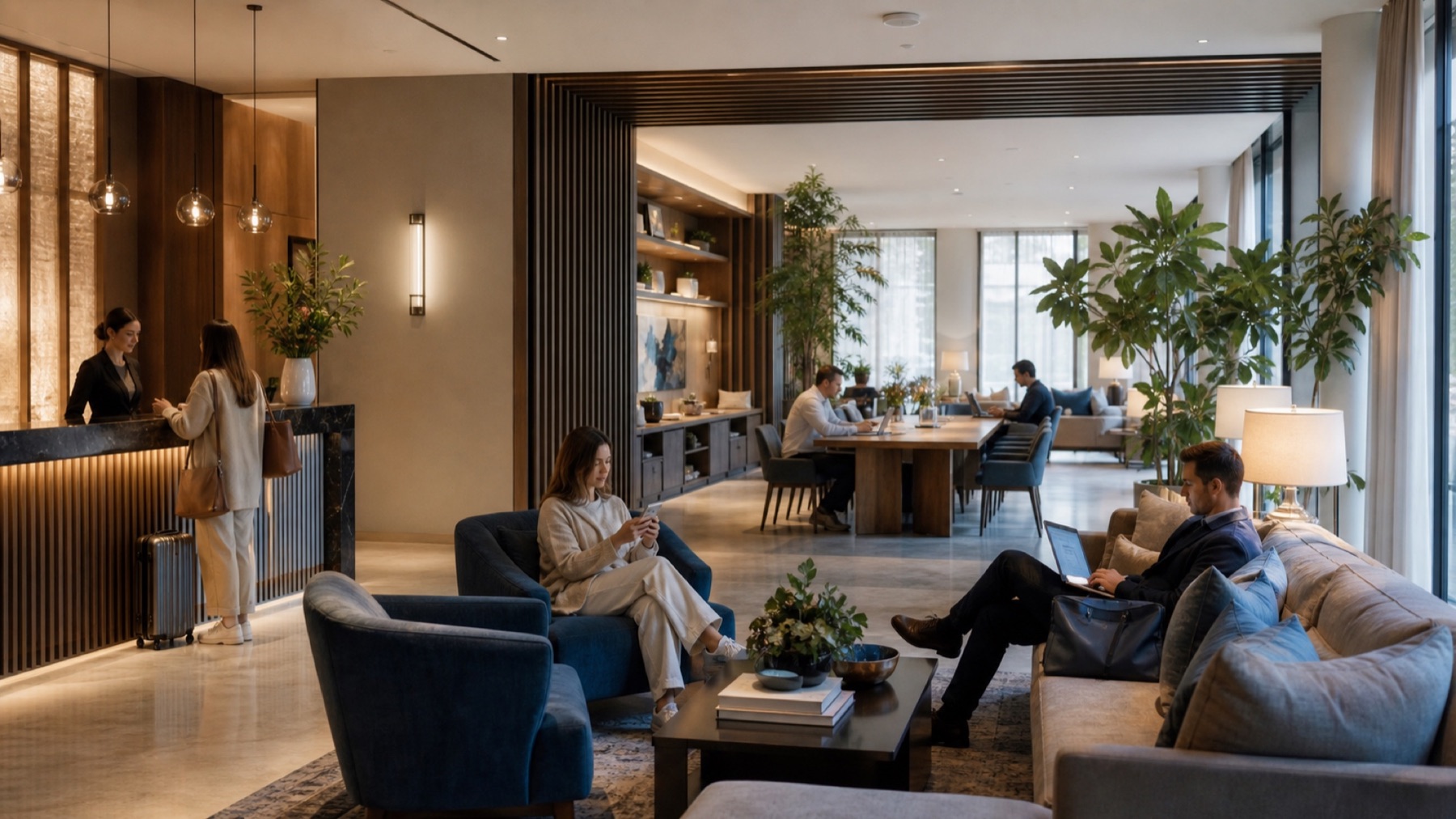
A lobby may concentrate dozens of devices. Rooms add televisions and multiple clients, while internal operations, voice, CCTV and access control continue in parallel.
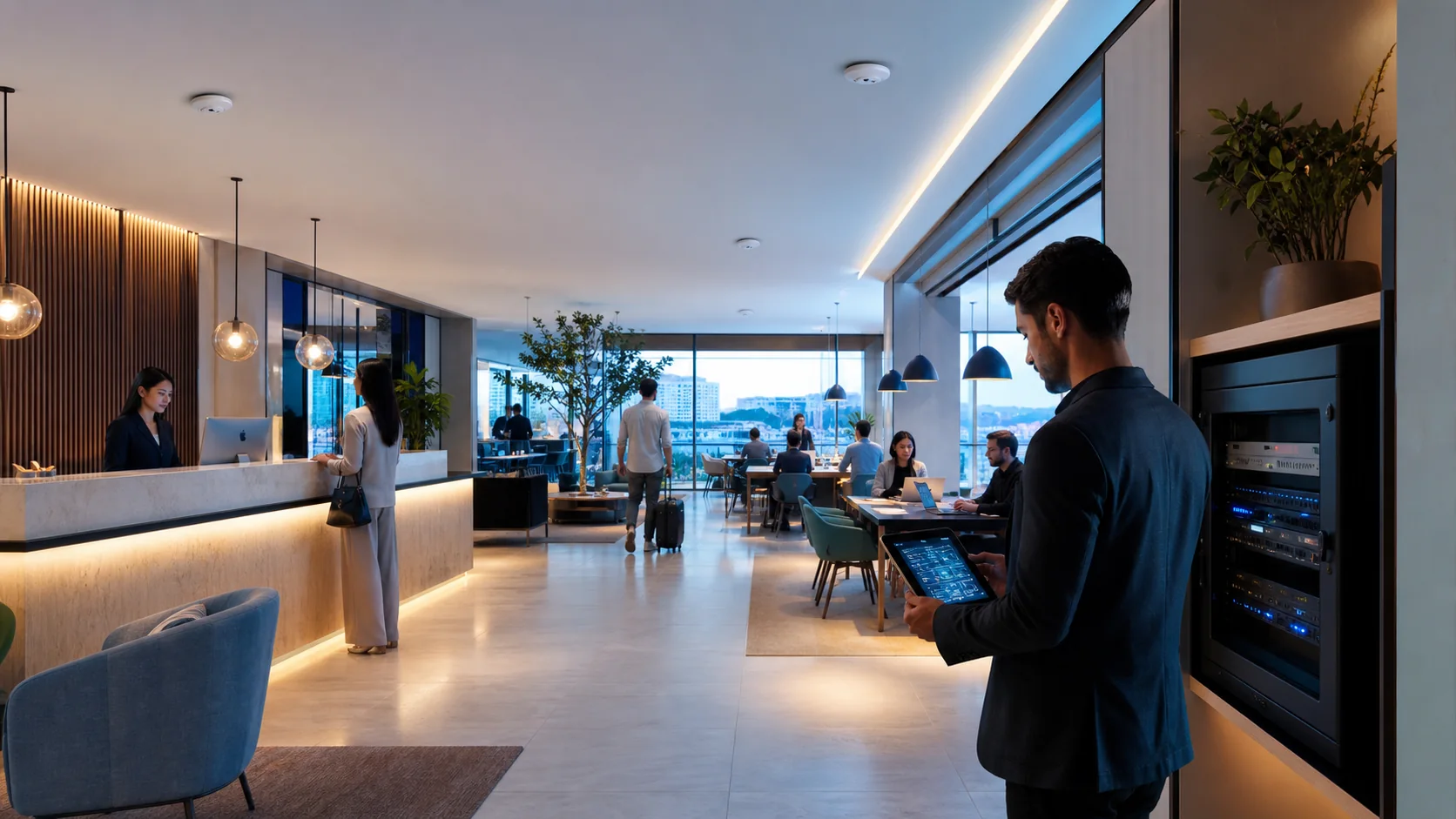
Example: the same number of rooms, a different experience
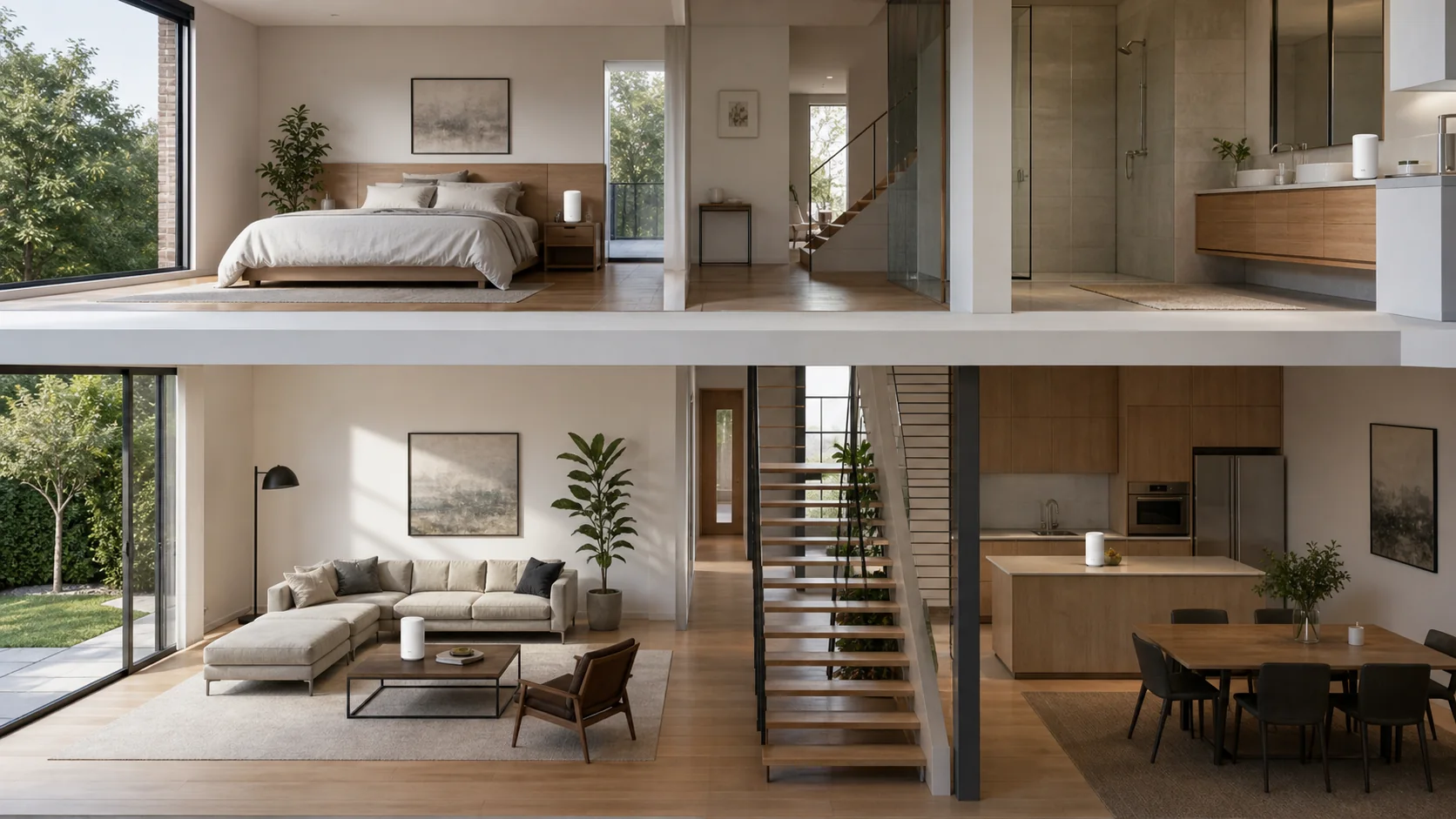
Two small hotels each have 20 rooms. One occupies a compact lightweight building; the other spreads rooms across thick-walled structures and courtyards. Room count does not define the network. Architecture and use do.
3. Office: capacity, policy and continuity
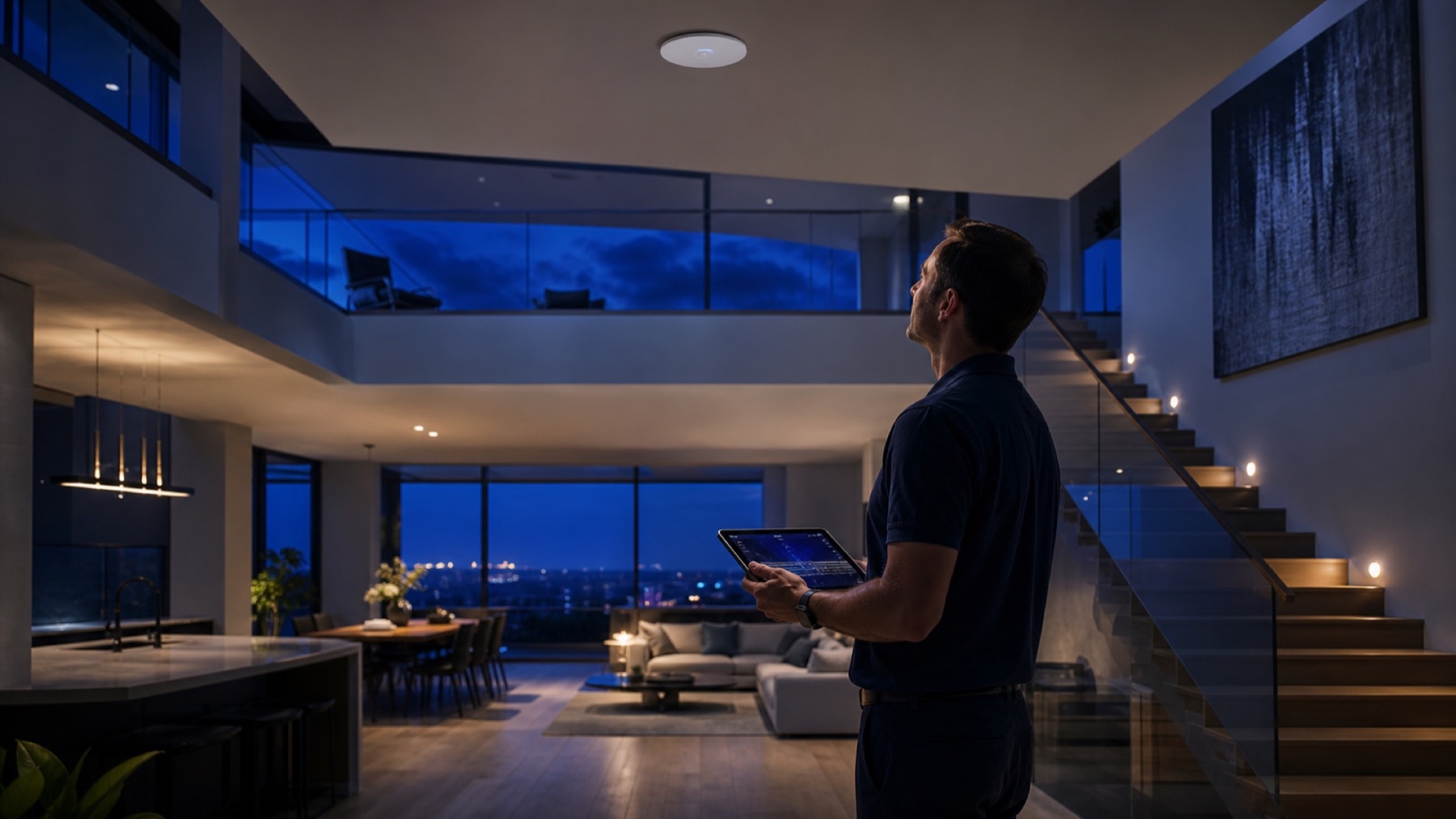
An office must account for simultaneous calls, critical applications, guest separation, corporate devices, printers, voice and IoT. A network suitable for casual browsing may fail when the team depends on it for work.
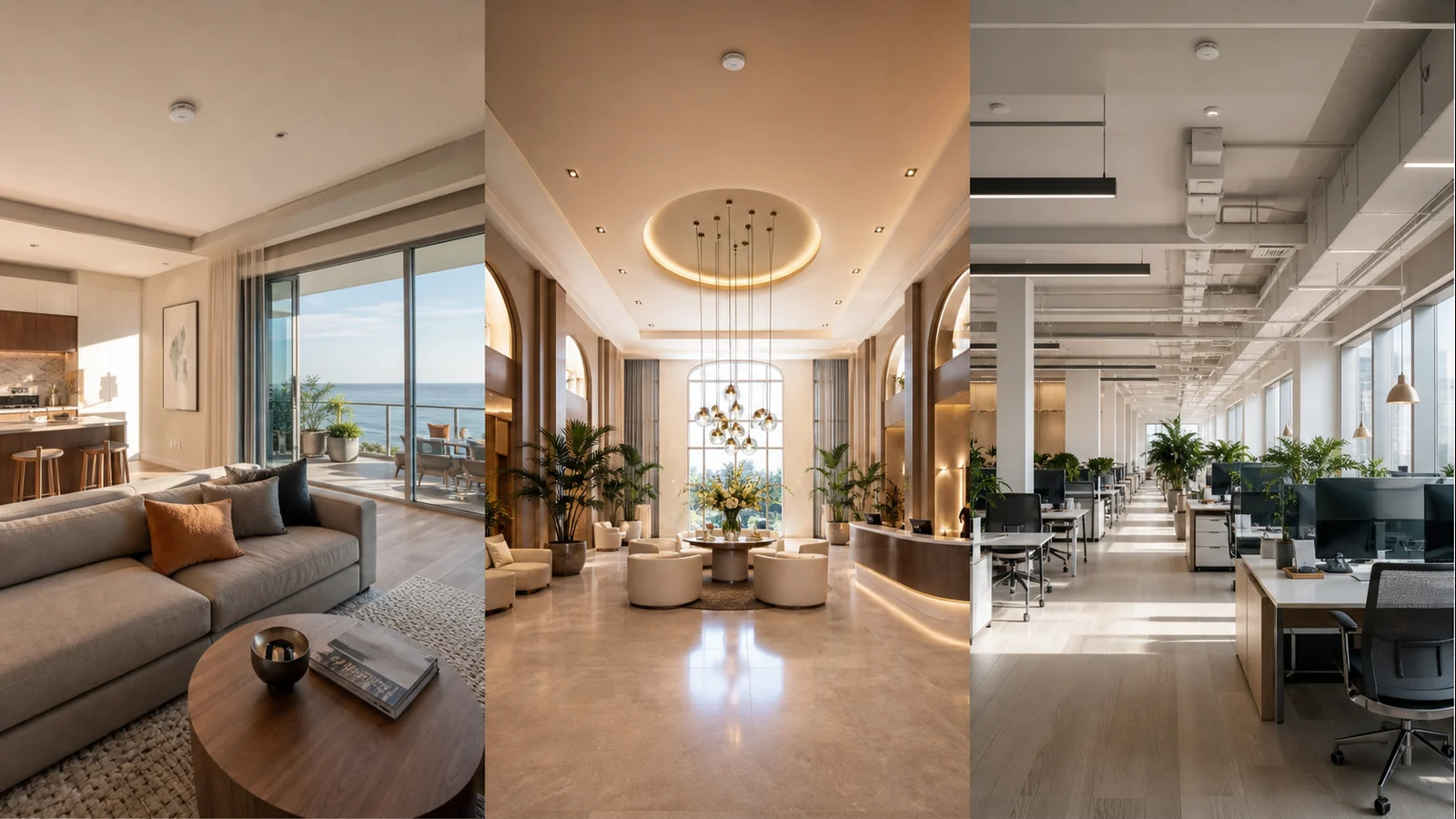
Three spaces, three priorities
Guest experience + remote support
Density + segmentation + operations
Capacity + policy + continuity
4. Cabling changes the ceiling of the solution
Ethernet backhaul lets access points separate client airtime from the return path and is especially valuable under concurrency. Mesh can be an alternative where cable is unavailable, but the node-to-node link still needs design.
5. A professional network also needs documentation
Network diagrams, equipment names, ports, VLANs, backups, administrative credentials and changes reduce dependence on the one person who remembers the installation.
| Factor | Airbnb | Hotel | Office |
|---|---|---|---|
| Primary user | Temporary guest | Guest + operations | Staff + visitors |
| Density | Variable | Medium / high | Medium / high |
| Segmentation | Recommended | Highly relevant | Highly relevant |
| Remote support | Critical | Critical | Important |
| Cabling | Desirable | Strongly recommended | Strongly recommended |
| Access policies | Simple | Multiple | Corporate |
6. Which path makes sense?
Store can solve a known, isolated equipment need. The diagnostic tool helps when Mesh, APs, PoE switching or segmentation are still uncertain. A project is appropriate when multiple users, networks and services depend on the same infrastructure.

From context to a decision.
Correct one known point
Explore equipment↗Understand coverage and capacity
Run the diagnostic↗Design the complete operation
Start a project↗Answers with the full context.
Why does an office usually need something different from a home?+
It has more concurrency, work applications, guests, permissions and management requirements. The network becomes part of operations.
Can a hotel use Mesh?+
It depends on the building and demand. In dense multi-room hotels, wired access points are usually more predictable.
What does network segmentation mean?+
It logically separates users or devices so their communication can be controlled, for example guests, administration, CCTV and IoT.
How do I know whether I need a project?+
When coverage, capacity, cabling, security, guests and continuity must be solved together.
SOURCES AND REFERENCES2
References consulted for this editorial review.