Energy
Generate, store, back up and understand the energy in your space.
We first understand what the system must solve.
Consumption profile, solar resource, desired continuity, available space and future growth determine whether generation, storage or backup makes sense.
Three solar architectures, three contexts.
01Grid-tied
+
Solar generation works with the grid.
Often makes sense when the priority is generation while the grid is present.02Hybrid
+
Solar + grid + storage.
Can coordinate self-consumption, reserve and selected loads.03Off-grid
+
Designed to operate without a conventional grid.
Balances generation, storage, seasonality and loads.An ESS stores and manages energy. Backup keeps selected loads running during an outage. An ESS can be part of a backup strategy, but they are not exactly the same goal.
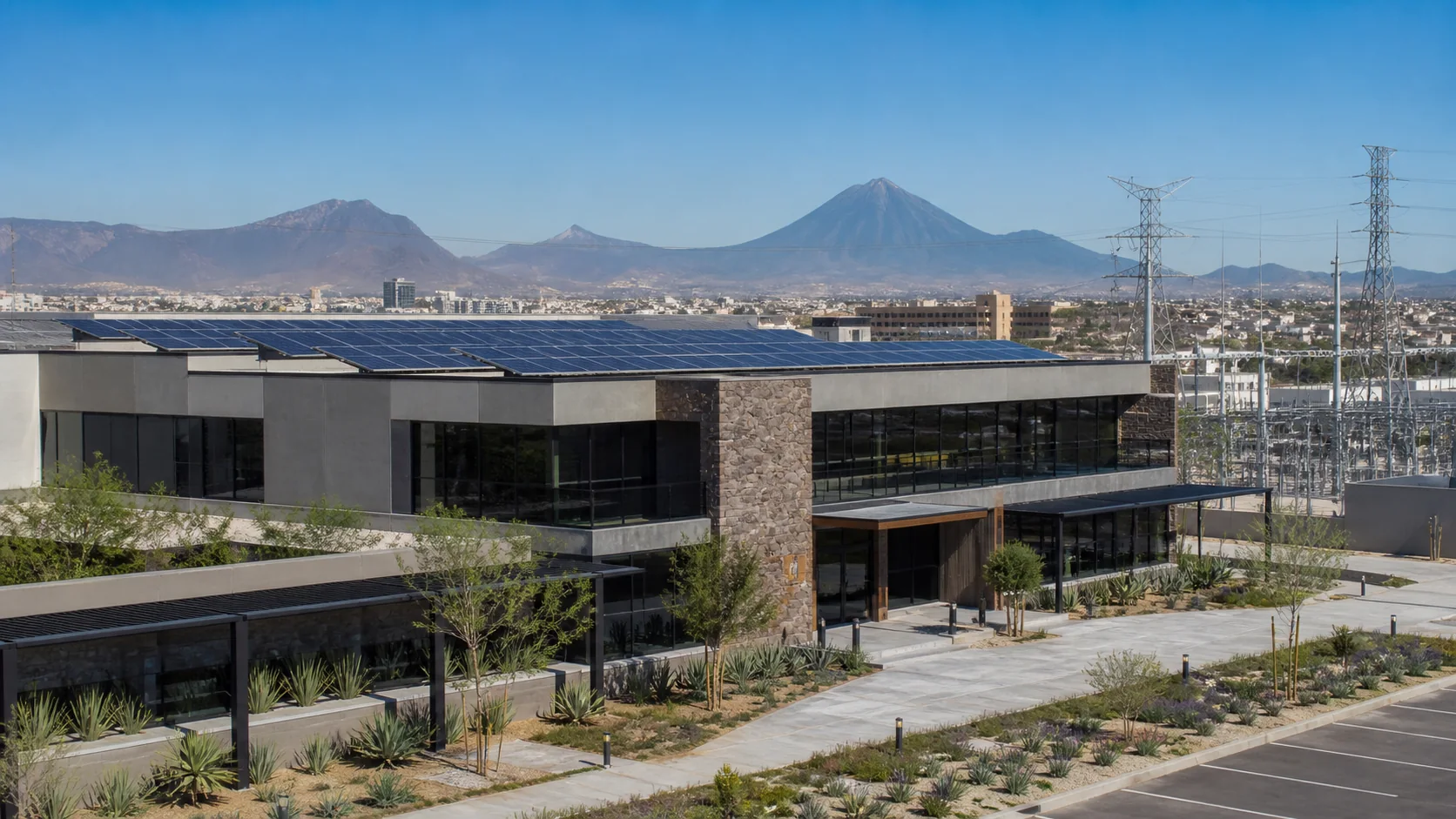
Conceptual representation: not presented as a finished proprietary application.
 01
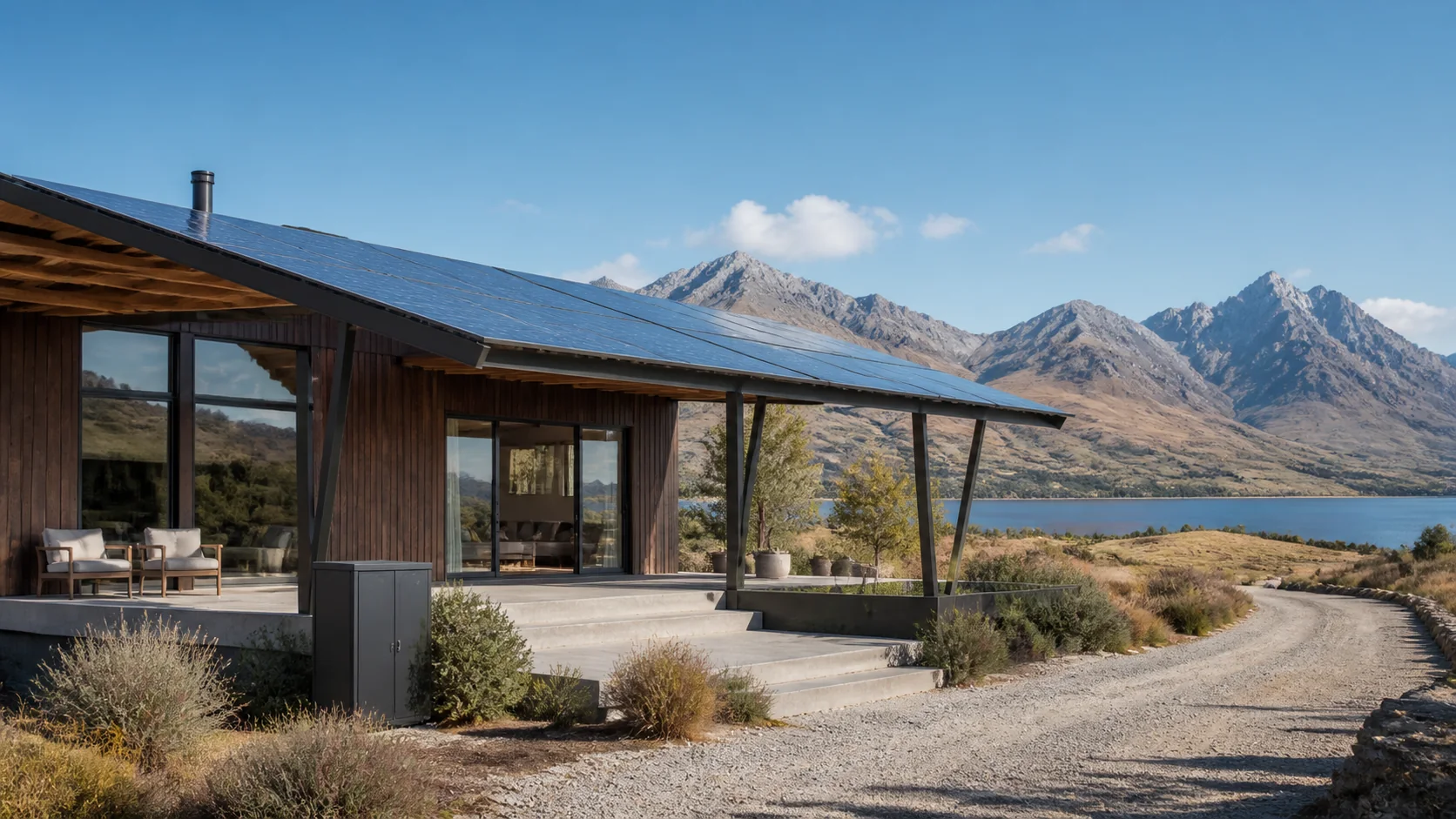
01Solar Power
Turn solar radiation into useful electricity for your space.
Reduce grid dependence and create a foundation for better energy management, without assuming universal savings.
- Local generation
- Energy visibility
- Scalable architecture
 02
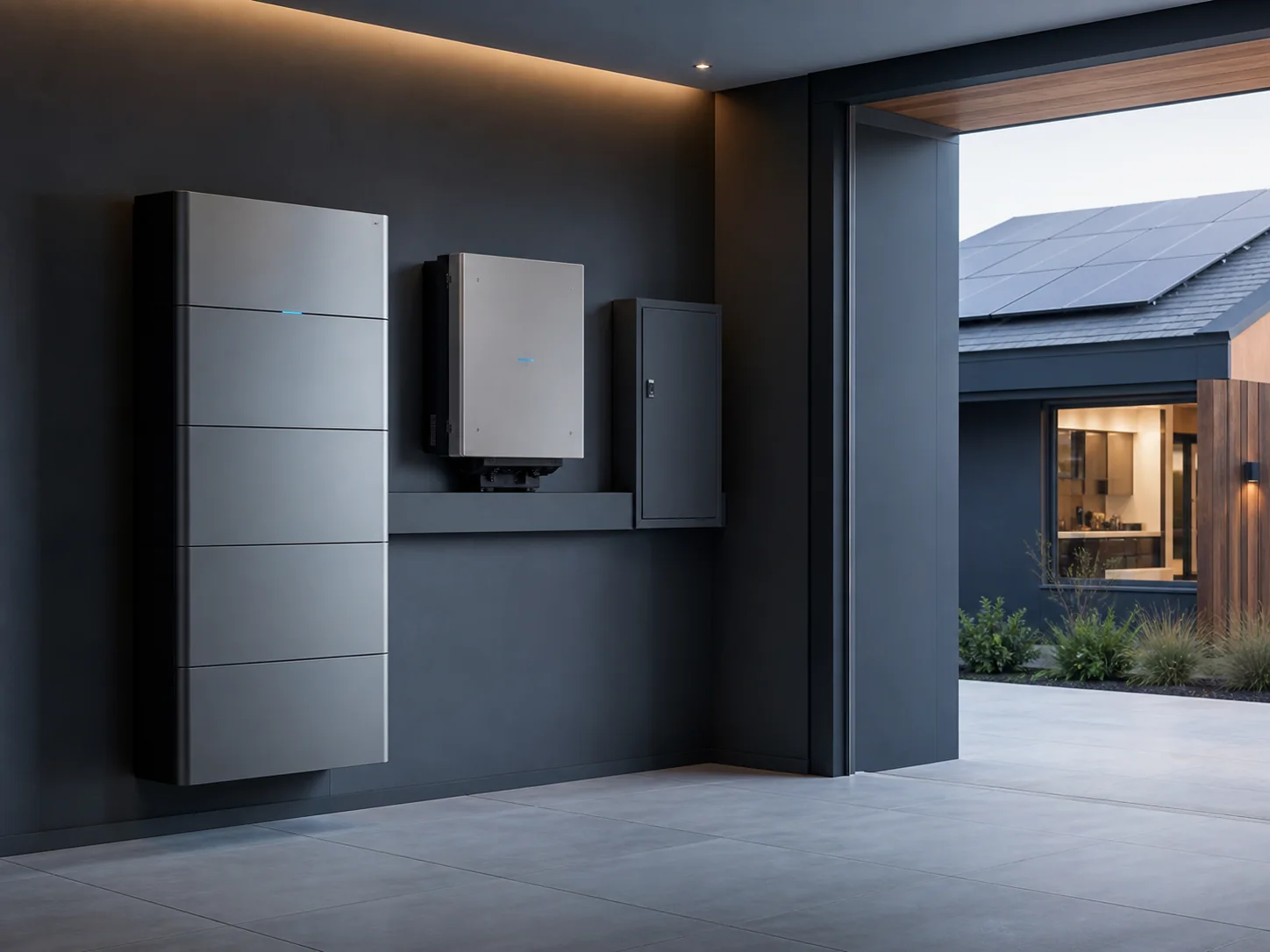
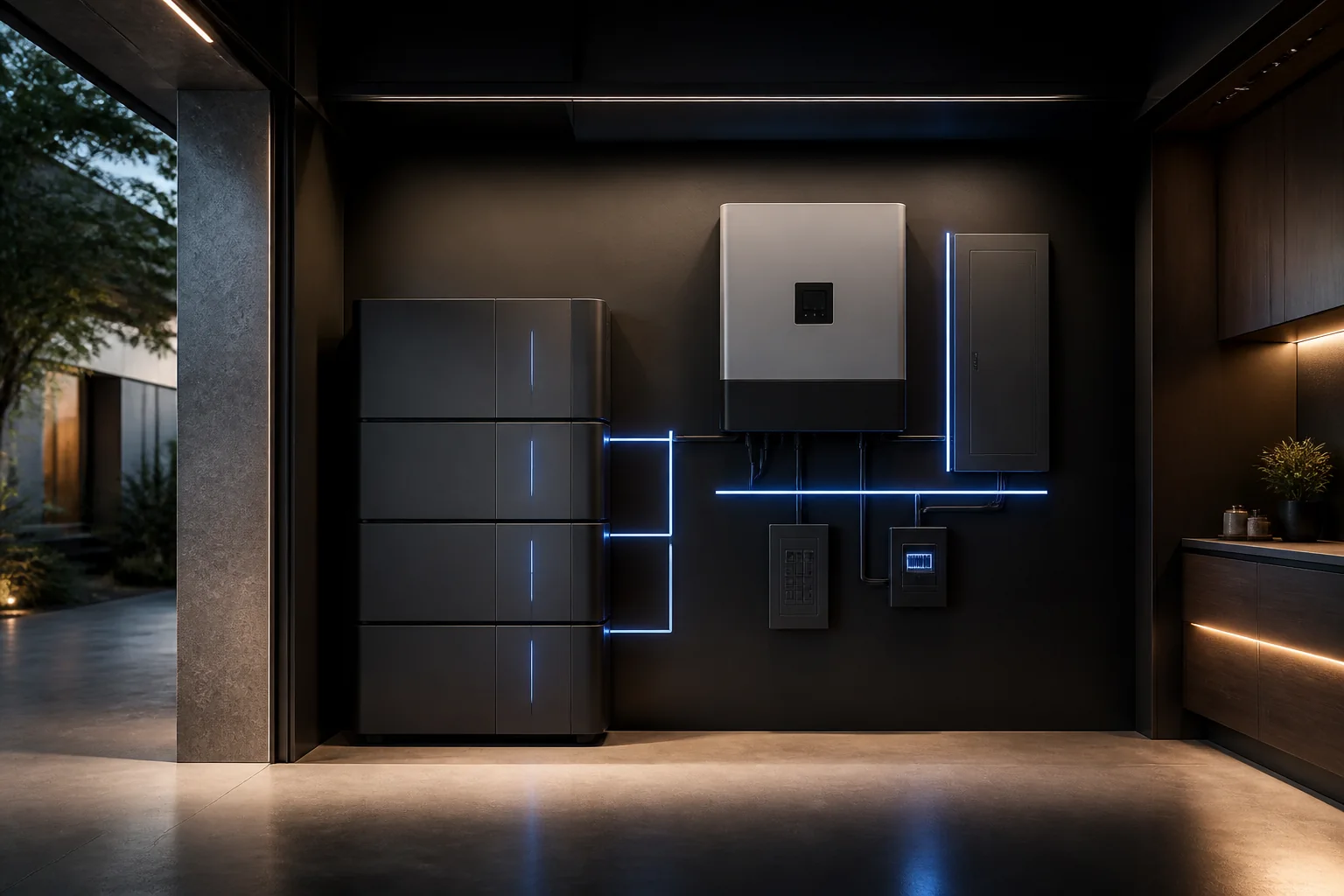
02Battery Storage / ESS
Store energy to use it when it creates the most value.
Storage can support backup, self-consumption and demand management; capacity and runtime depend on design and loads.
- Designed continuity
- Flexible energy use
- Integrated monitoring
 03
03Energy Backup
Keep what matters operating during outages or electrical disturbances.
Not every load needs the same continuity level. We define what must stay active, for how long and under which conditions.
- Prioritized continuity
- Electrical protection
- Load-based design
 04
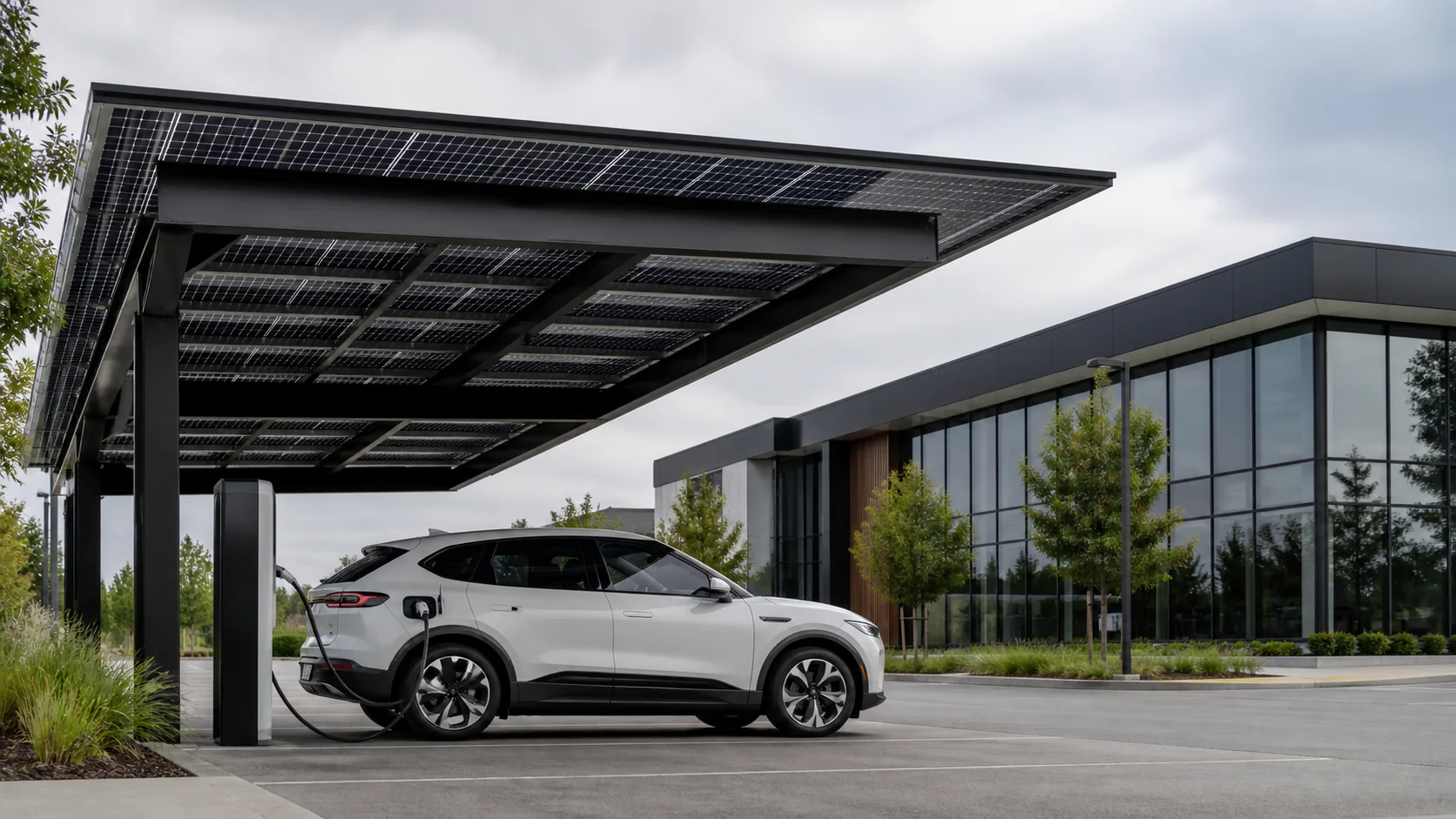
04EV Charging
Charge electric vehicles with a safe, properly sized installation.
The charger is only one part: electrical capacity, protection, cable routes, use and load management define the system.
- Electrical safety
- Load management
- Potential solar integration
 05
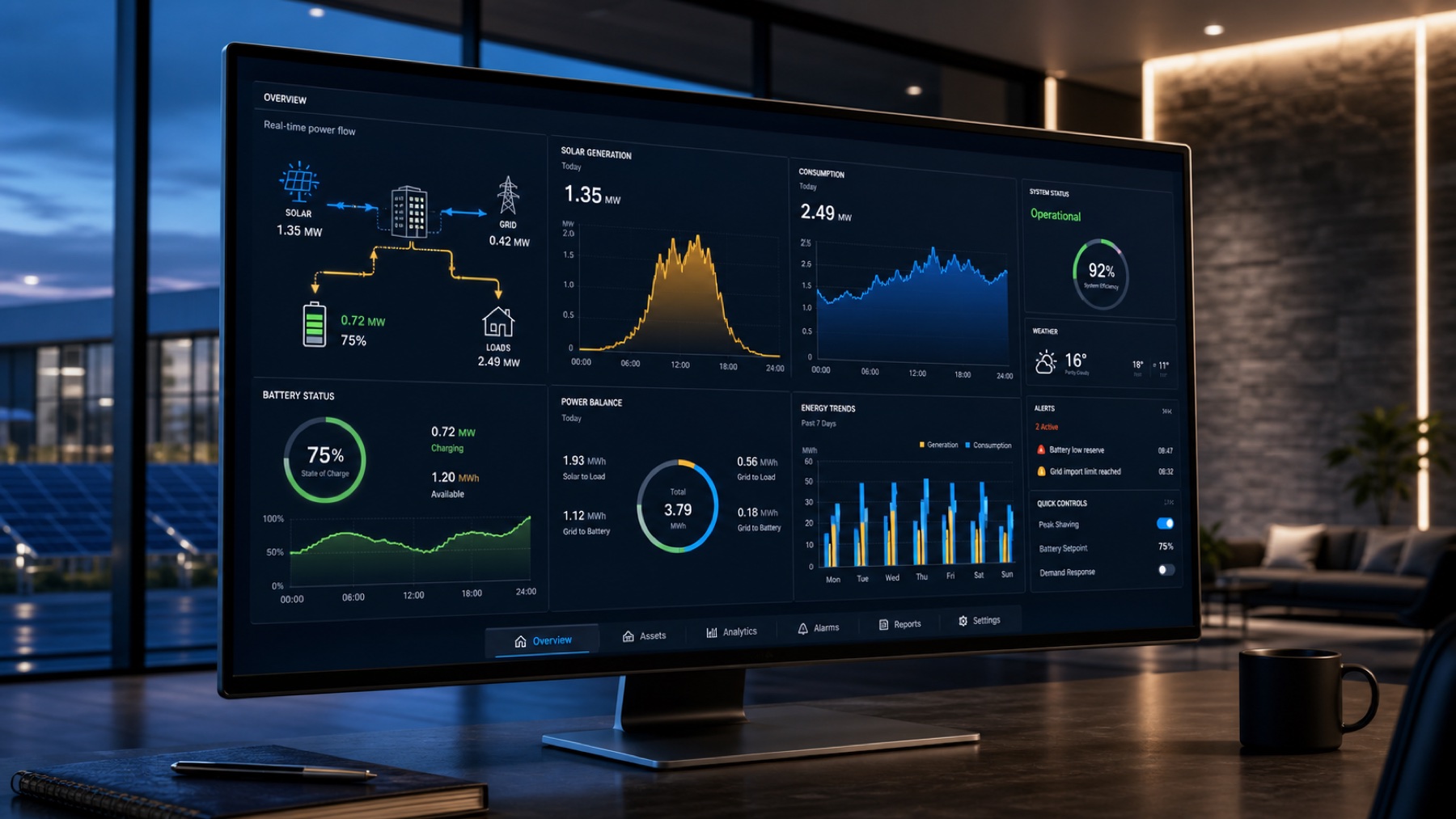
05Energy Monitoring
Understand consumption, production and storage from one view.
Data turns energy into decisions by showing patterns, alerts and history without promising universal automatic optimization.
- Informed decisions
- Central visibility
- Historical tracking
Technologies and manufacturers we can work with according to project requirements.


Explore your scenario before deciding.
A guided estimate helps prepare better questions without replacing final design.
Questions before deciding.

What is the difference between grid-tied, hybrid and off-grid?+
Grid-tied works with the grid; hybrid coordinates grid, solar and battery; off-grid is designed without a conventional grid.
Do I need batteries for solar panels?+
Not always. Grid-tied solar can operate without batteries; storage and backup serve different goals.
What happens when there is no sun?+
Generation falls or stops; grid, battery or generator supplies loads according to the architecture.
Can I expand later?+
Expansion can be planned if inverter, panels, structure and storage allow for it.
How is panel count determined?+
Bills, load profile, solar resource, area, shade, orientation and target coverage are reviewed.
Which equipment can backup support?+
Critical loads are prioritized, then continuous power, startup surges and runtime are checked.
Can I charge an EV with solar?+
Yes, by coordinating daily demand, charging window, electrical capacity and expected production.
What can monitoring show?+
Depending on equipment: generation, consumption, battery, status and available alerts.