INTRODUCTION
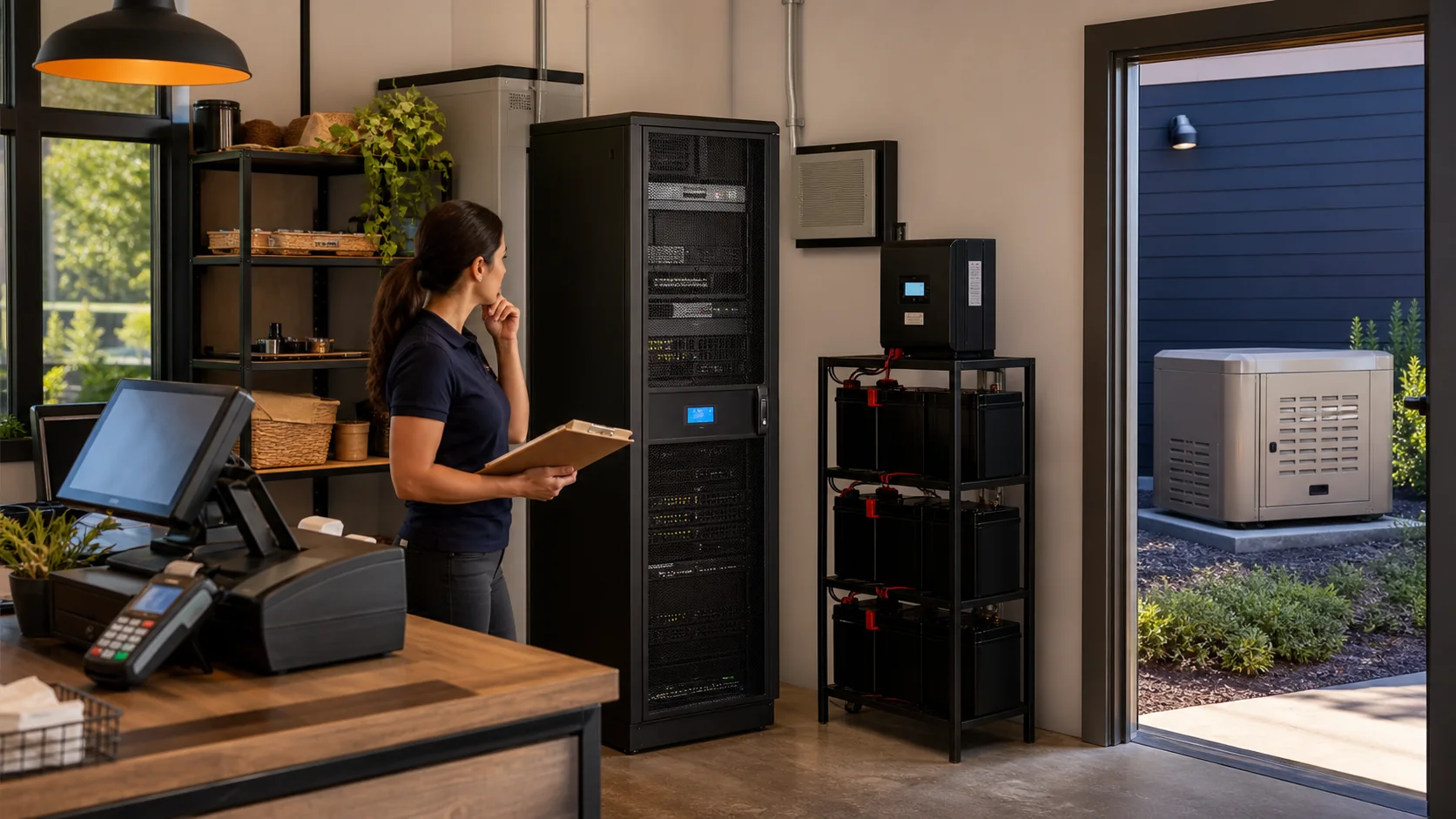
During a business outage, backup can mean very different things. A POS may only need to avoid rebooting mid-sale. A server may need enough time for a controlled shutdown. Refrigeration or a pump may need much longer operation.
UPS, battery and generator are not three versions of one product. Each solves a different part of continuity, and some projects combine them.
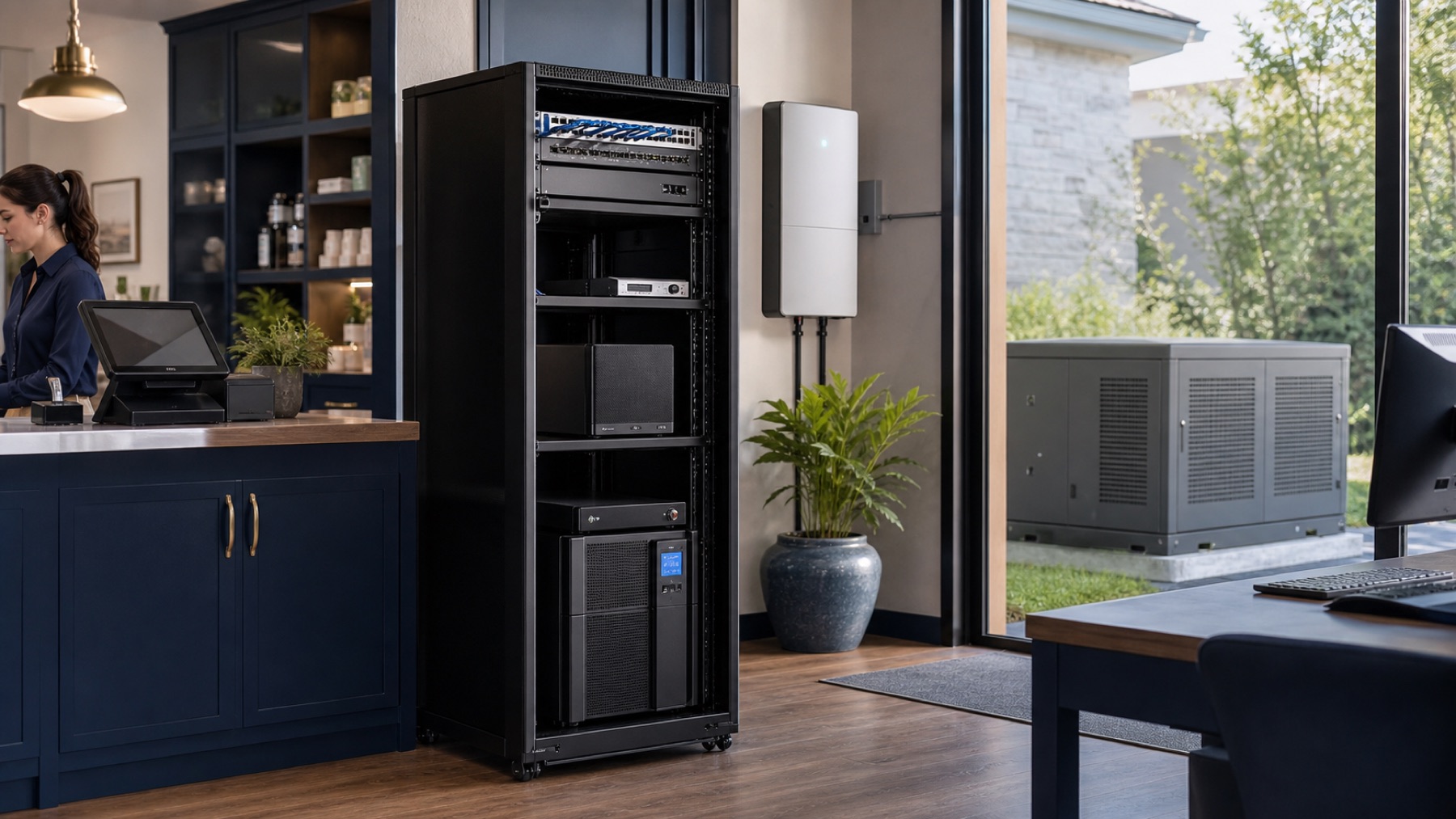
UPS: prevent a brief event from becoming an interruption
A UPS supplies compatible loads immediately when normal power disappears or degrades. It can keep a router online, prevent a computer reboot or allow a server to shut down safely. Review real power, apparent power when relevant, load type, runtime, waveform compatibility and communication.
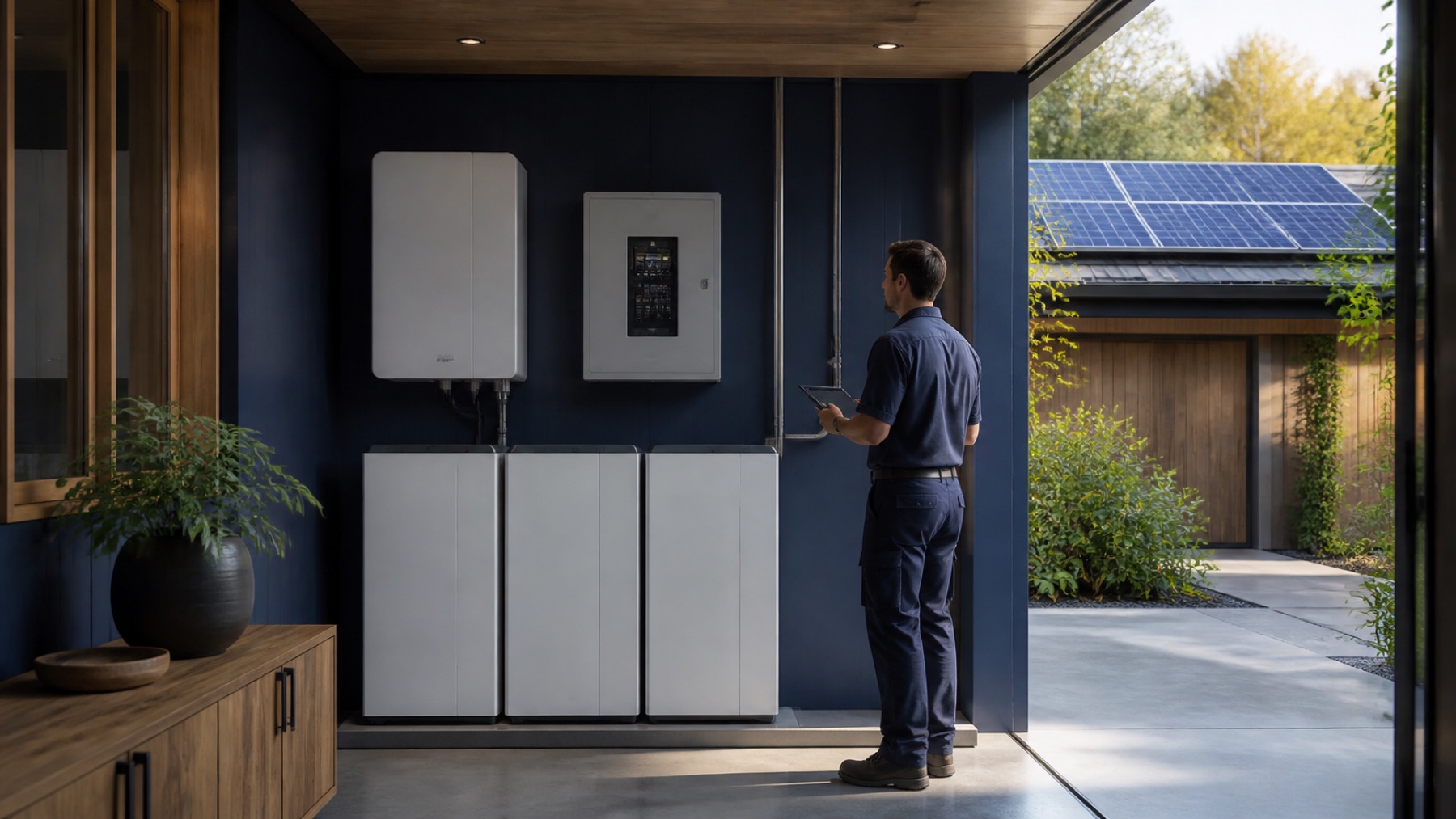
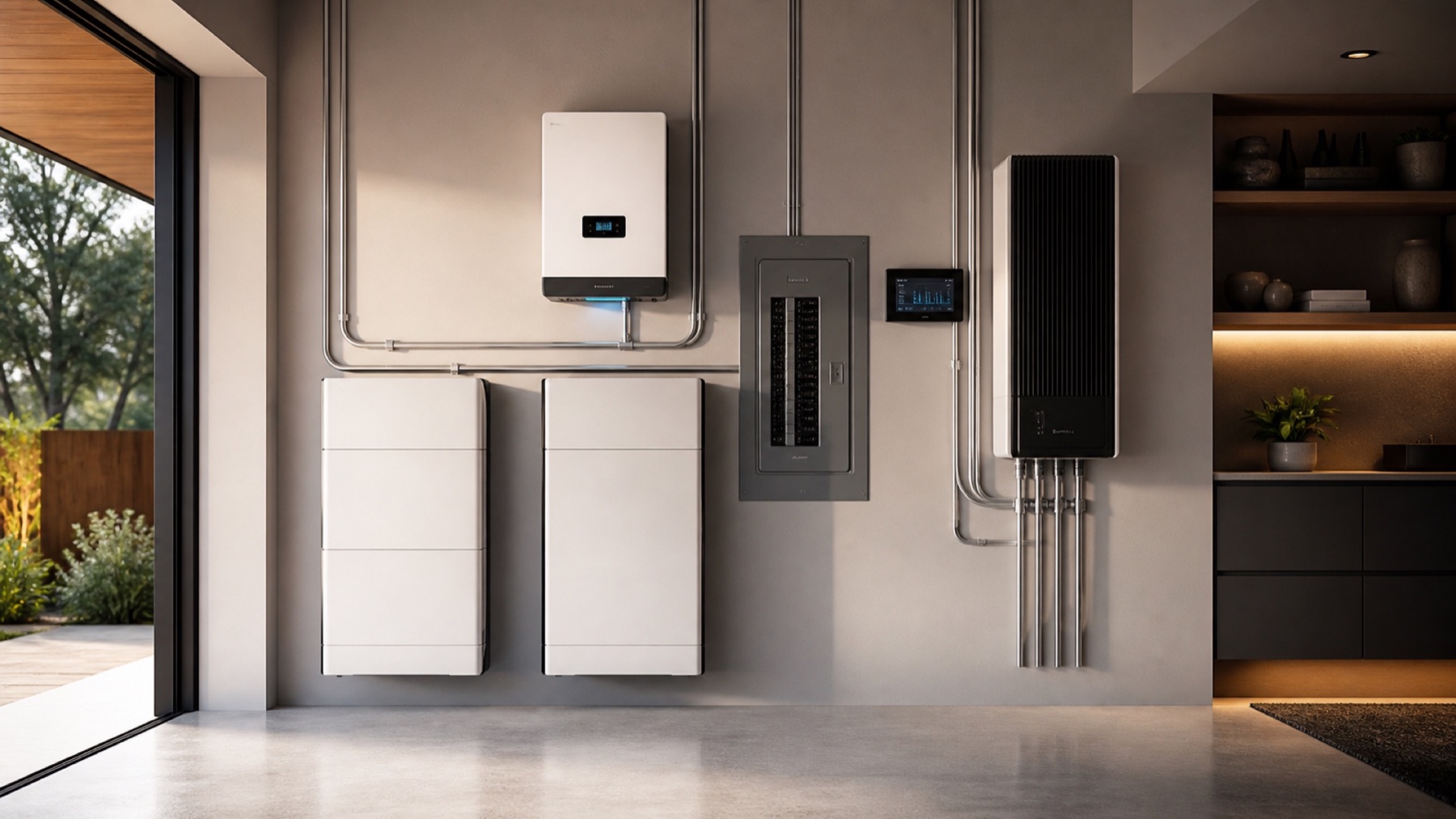
Battery: sustain more energy and potentially complete circuits
A battery system with an inverter can support broader loads for longer and may integrate with solar. It requires selected circuits, transfer, protection, power, usable energy and defined behavior at low state of charge or grid return.
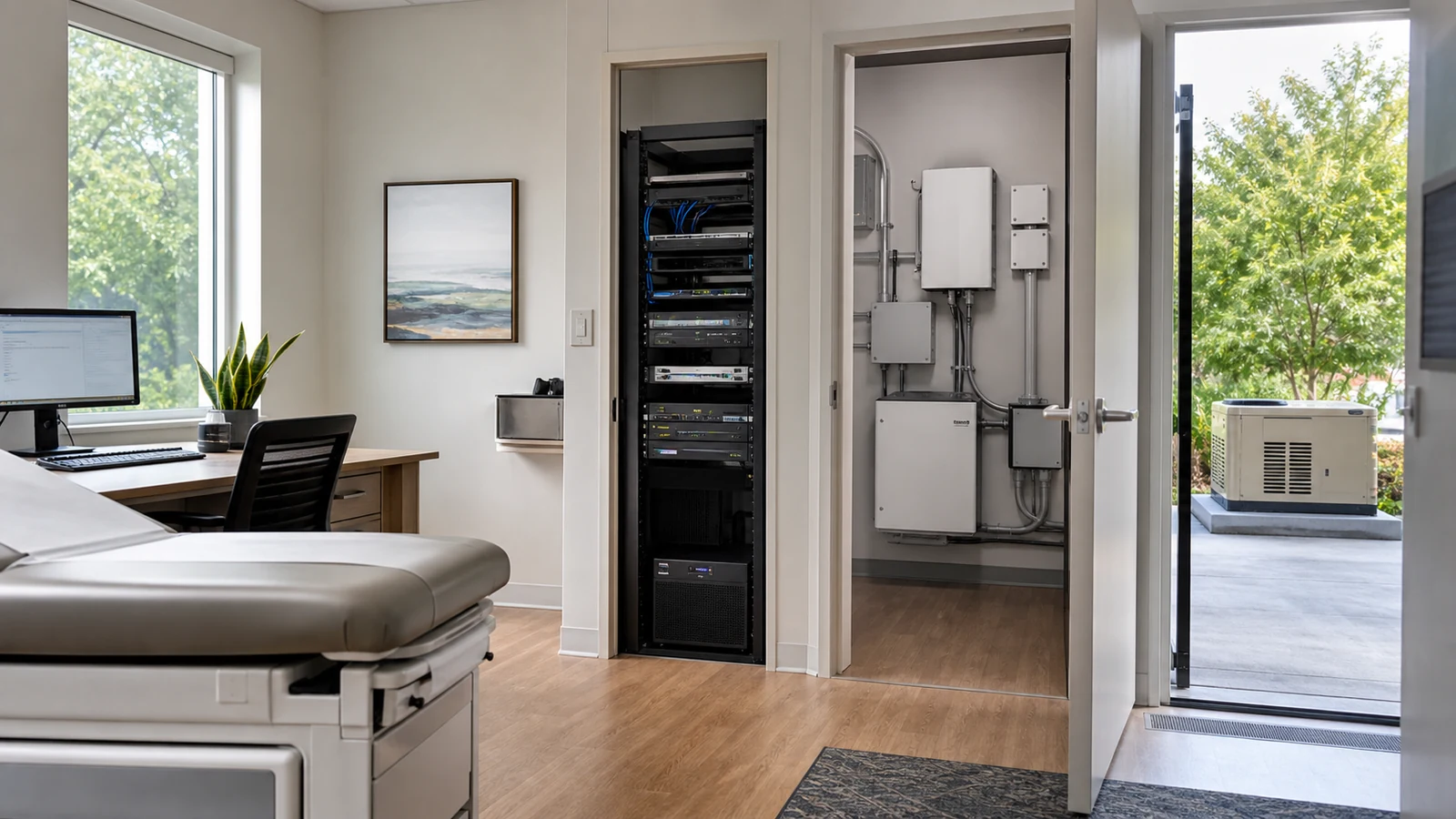
EXAMPLE: a clinic may need three time scales
Network, computers and communications should not reboot during a brief event, so a UPS can cover the transition. A battery may sustain quiet critical loads. For a prolonged outage, a generator may provide energy while fuel and safe operating conditions remain. Not every clinic needs all three; continuity can be designed in stages.
Generator: prolonged runtime in exchange for fuel and maintenance
A generator can operate while fuel is available and heat and exhaust are safely managed. That adds starting, testing, fuel, noise, ventilation, transfer and maintenance responsibilities.
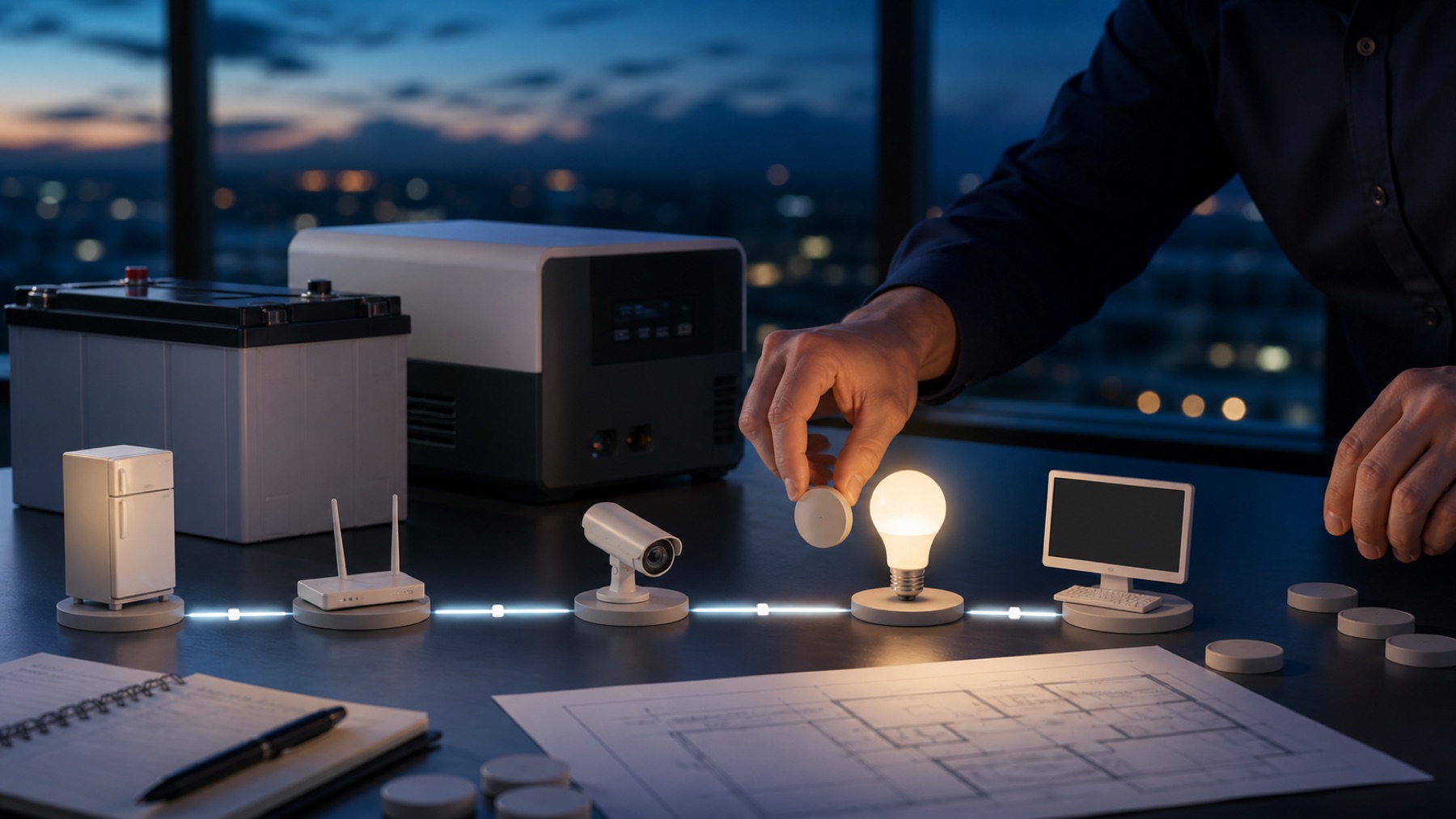
Order loads by priority
Level 1 — should not restart
Network, communications, selected IT and POS.
Level 2 — should continue through a moderate outage
CCTV, critical lighting and selected operating equipment.
Level 3 — large or prolonged loads
Motors, pumps, climate and certain processes. Different levels may need different technologies and runtimes.
Continuity in stages
| Aspect | UPS | Battery system | Generator |
|---|---|---|---|
| Response | Immediate | Very fast by architecture | Requires start/transfer sequence |
| Runtime | Usually limited | Depends on capacity and load | Can extend with fuel |
| Local noise | Very low | Very low | Yes |
| Fuel | No | No | Yes |
| Maintenance | Battery/electronics | Battery, inverter and system | Engine, fuel and testing |
| Ideal for | Electronics and transition | Critical loads/circuits | Long events/large loads |
| Solar | Not its main function | Can integrate | Can complement |

Answers with the full context.
What is the main difference between a UPS and a circuit-level battery system?+
A UPS usually focuses on immediate continuity for specific equipment. A battery-and-inverter system can support broader groups of loads for longer but needs transfer, protection and circuit selection.
When does a generator make sense?+
When long outages and significant loads justify it and the site can safely manage fuel, ventilation, noise, maintenance and transfer.
Can I combine UPS, battery and generator?+
Yes. A UPS may bridge sensitive loads, a battery sustain critical loads and a generator support long events. The combination should follow real operating scenarios.
How should I prioritize equipment?+
Start with the impact of shutdown: safety, data loss, interrupted sales, product damage or stopped operations. Then review power, starting peaks and duration.
SOURCES AND REFERENCES1
References consulted for this editorial review.
- Conservar fuentes DOE actuales, aclarando que respaldan conceptos de almacenamiento/resiliencia y no una comparación universal de productos.