INTRODUCTION
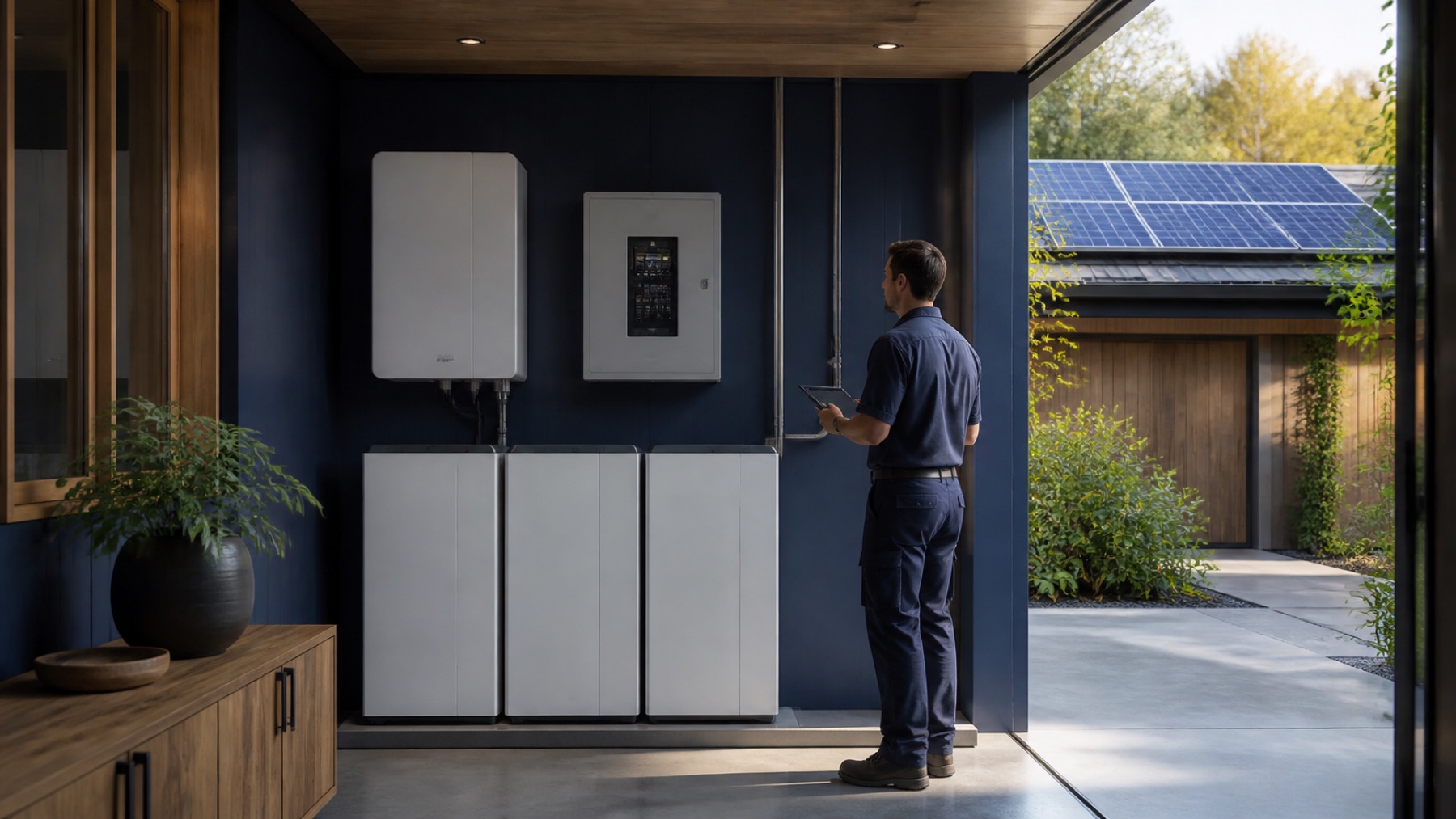
Adding a battery sounds like the natural next step: generate energy by day, store it and use it later. Sometimes that is valuable; sometimes it solves a problem the owner did not have.
Before discussing kilowatt-hours, chemistry or module count, define the job the battery must perform: backup, shifting solar into the evening, managing demand peaks or a combination.
A battery needs a job before it needs a capacity
If the goal is backup
Identify the loads that must remain on and for how long. A monthly utility bill does not answer that question.
If the goal is evening solar use
Review daytime surplus, consumption after sunset, cycle losses and the economics of the system.
If the goal is demand management
Peak power, timing, inverter capability and control strategy become central.
One battery, three possible jobs
For backup, start with critical loads
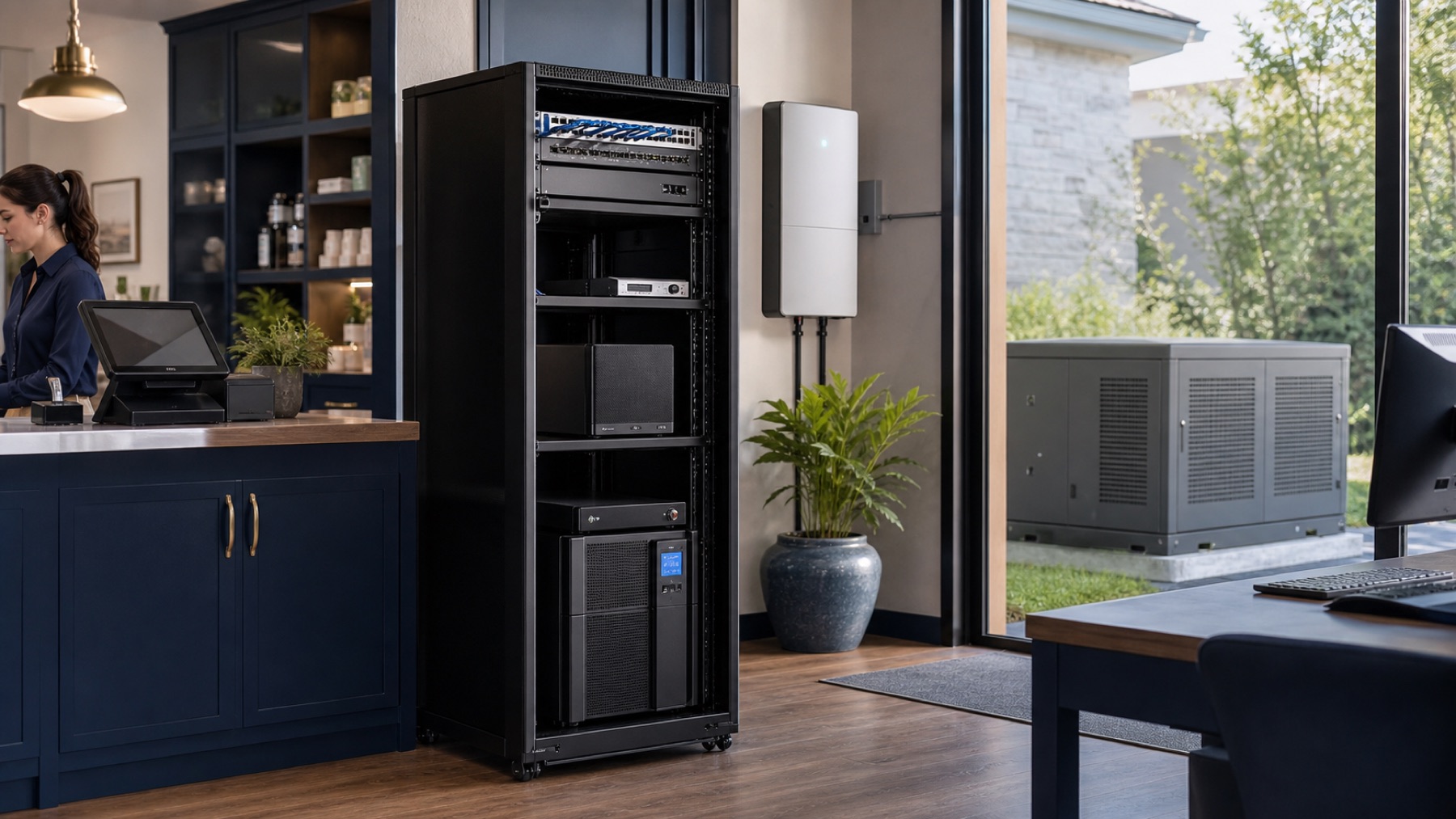
A home may use considerable energy each month yet need modest storage for essential services during an outage. Refrigeration, modem, CCTV, a few lights and a gate are a very different scenario from whole-home air conditioning, pumps and electric cooking.
EXAMPLE: not backing up everything can be the better decision
A home experiences one- or two-hour outages. The family prioritizes refrigeration, internet, essential lighting and cameras. Whole-home backup would add substantial power and capacity without improving the main objective.
Power and energy are different limits
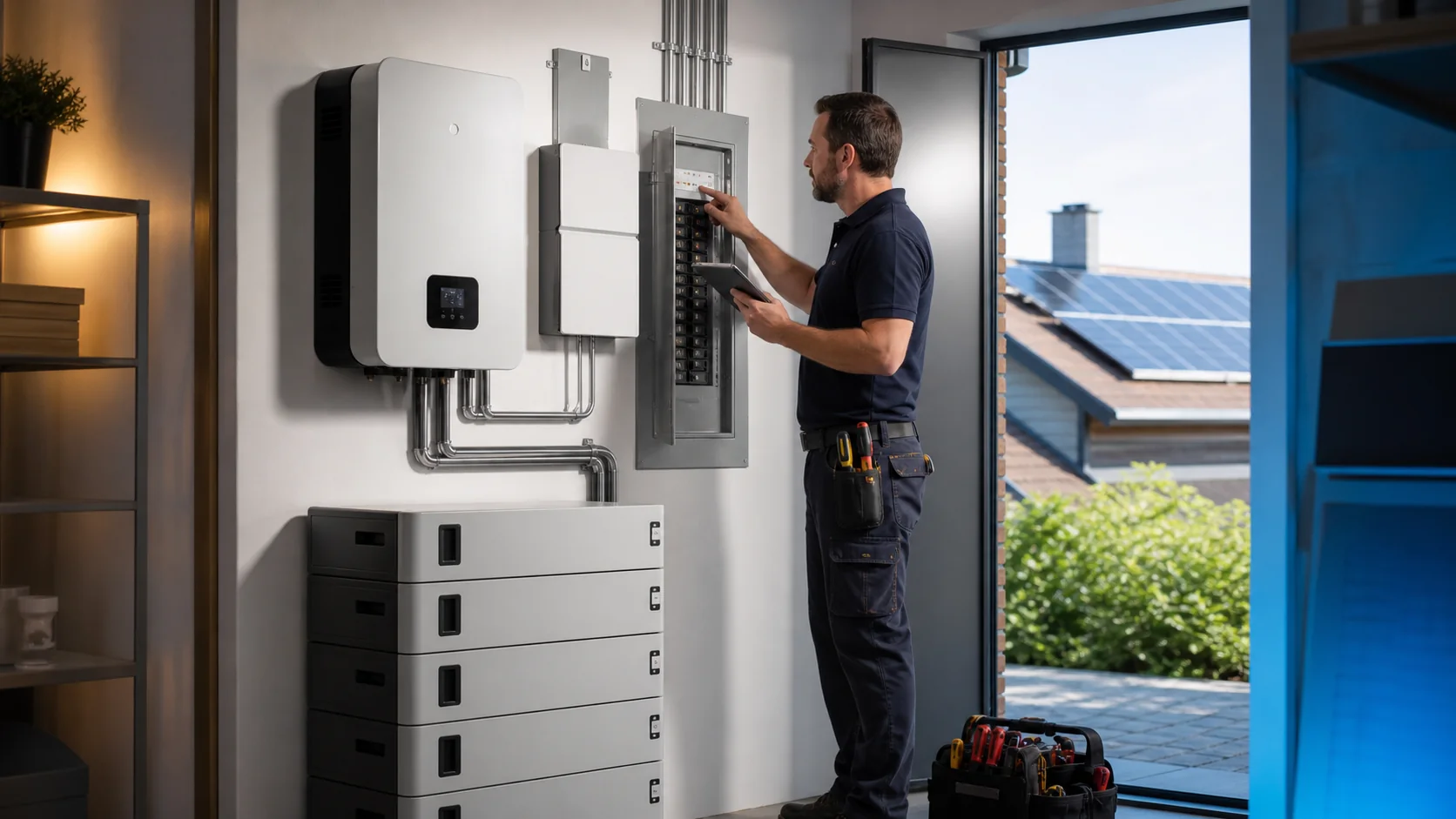
A battery may contain enough energy for several hours yet fail to start a large load if battery or inverter power is insufficient. Review continuous power, starting peaks, usable energy, reserve, efficiency and simultaneity.
Self-consumption does not guarantee savings
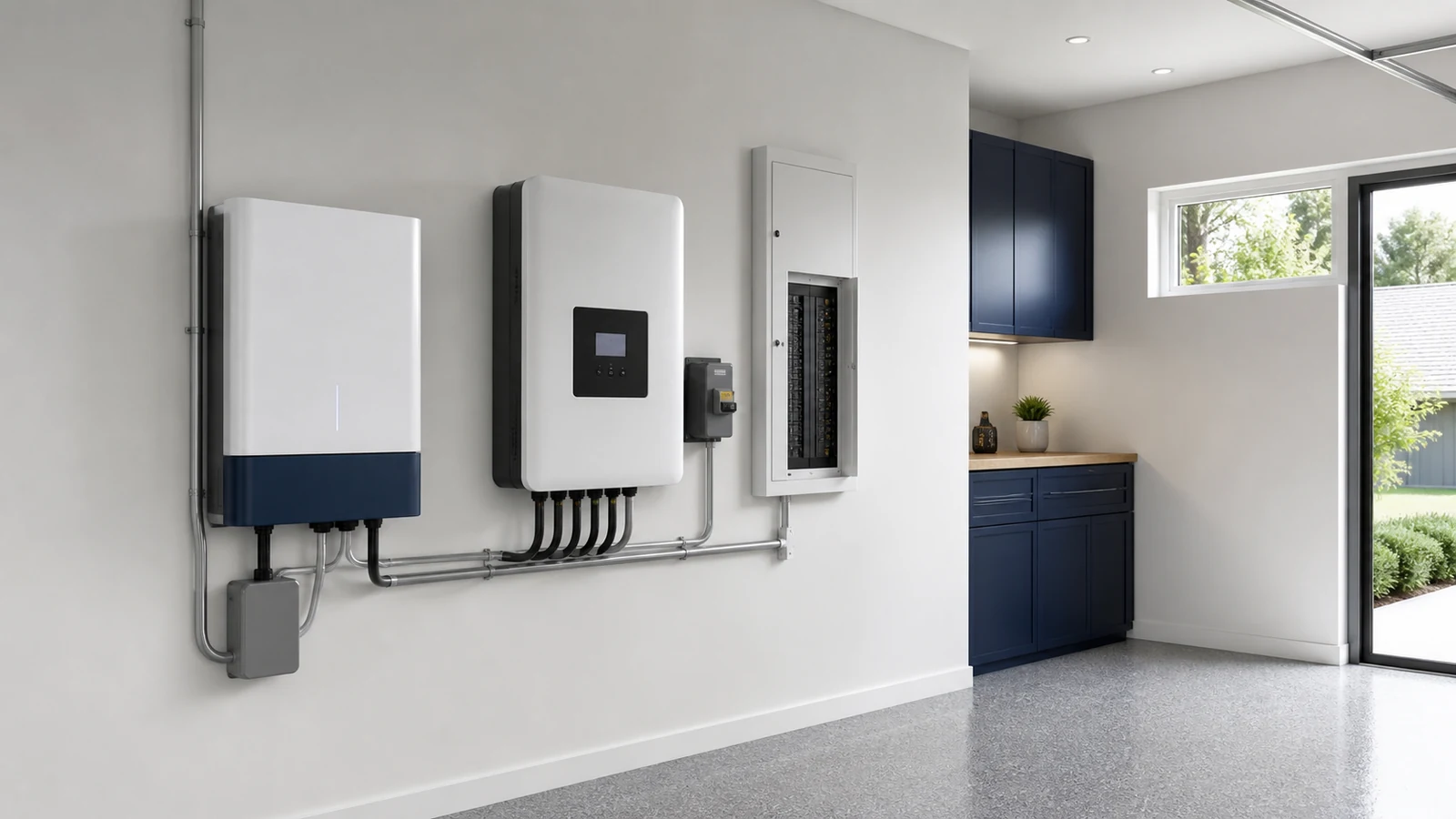
Moving solar energy into the evening can reduce grid imports, but economics depend on tariffs, habits, losses, system cost, cycles and life. State assumptions and compare scenarios instead of promising a universal return.
Design what happens when something goes wrong
A hybrid system needs clear behavior for low battery, communication failure, grid loss, grid return and maintenance. Recovery matters as much as ideal operation.
| Need | What you must know | Signal that it may make sense |
|---|---|---|
| Backup | Critical loads, peaks and hours | Frequent outages or loads that cannot stop |
| Self-consumption | Solar surplus and night use | Daytime energy that is currently unused |
| Demand management | Peaks and schedules | Loads concentrated in specific periods |
| Partial independence | Consumption, solar and reserve | A clear objective and aligned budget |

Answers with the full context.
Does every solar installation improve with batteries?+
No. Storage adds value when a defined goal justifies cycling energy, such as backup, self-consumption or demand management.
How do I estimate battery size for an outage?+
Separate the loads that must remain active, total their power, include starting peaks and define target hours, efficiency and reserve. Monthly consumption usually oversizes critical-load backup.
Can a battery power my entire home?+
It can be designed to, but whole-home backup increases power and energy quickly. Essential-load separation is often more practical.
Can I add batteries to existing solar later?+
It depends on the inverter, architecture, protection and exact equipment compatibility. Some systems expand easily; others require major changes.
SOURCES AND REFERENCES1
References consulted for this editorial review.
- Conservar las actuales del U.S. Department of Energy.