INTRODUCTION
A Smart Home should not require five apps before you can leave. When every bulb, shade, thermostat and lock lives in a separate world, you may have smart devices without an integrated experience.
The most useful automations coordinate small moments you already repeat every day.
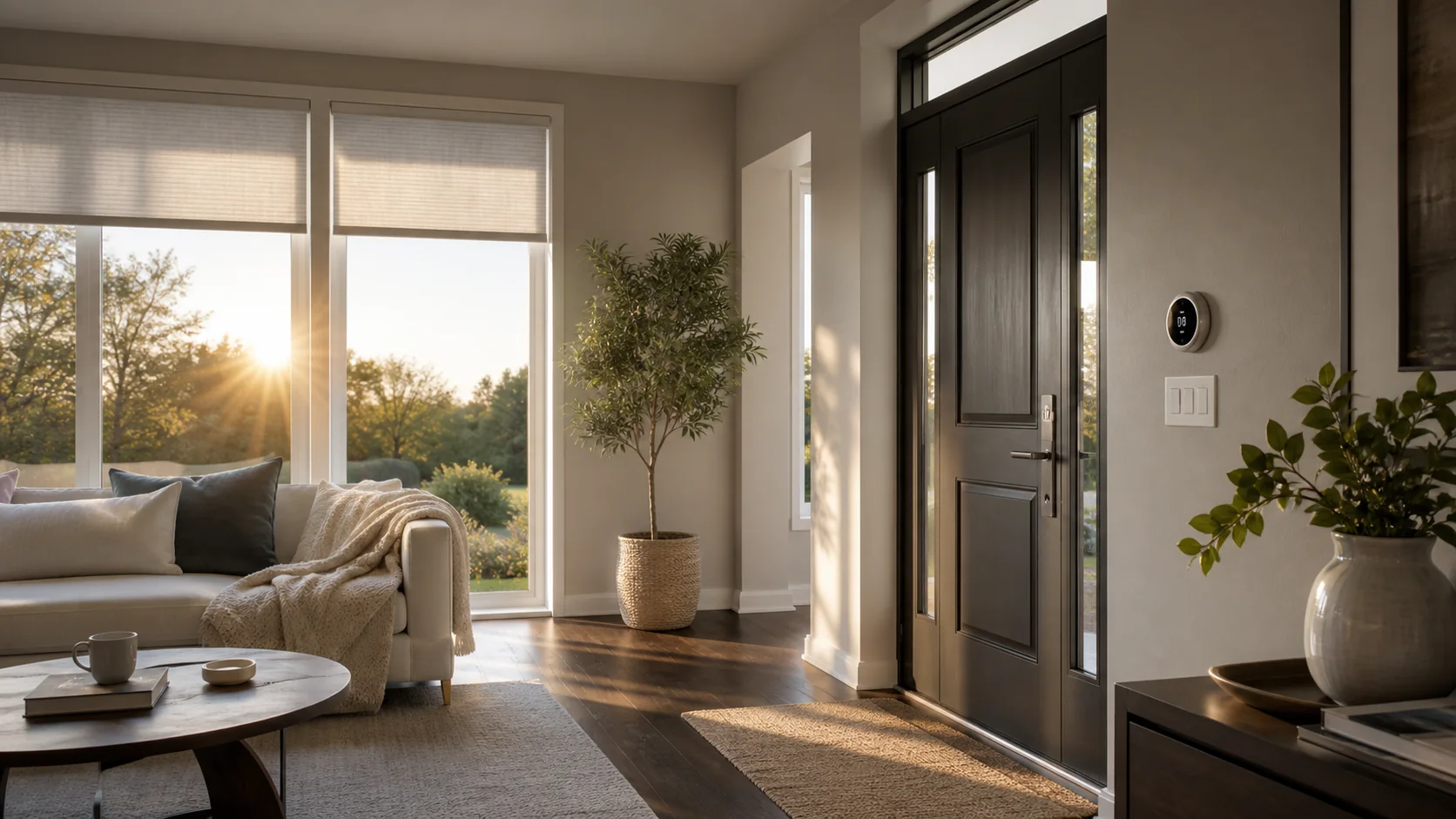
1. Wake without turning everything on at once
A wake scene can raise shades gradually, bring up soft lighting and prepare temperature. It should allow different schedules and a simple cancel or snooze action.
2. Leave with one action
A departure scene can switch off selected groups, adjust climate, close compatible shades and prepare security. The goal is not to shut down everything, but to establish a clear unoccupied state.
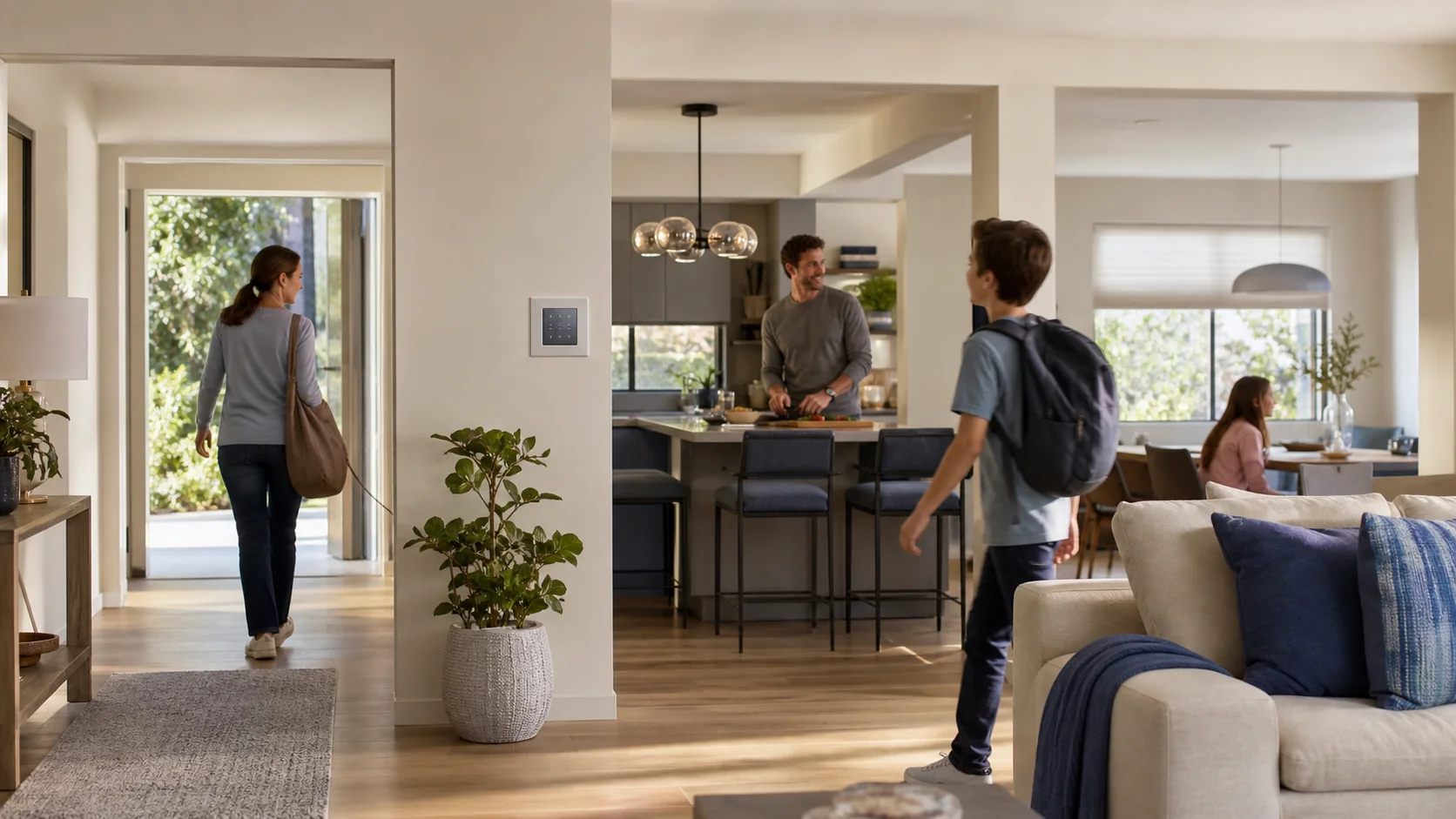
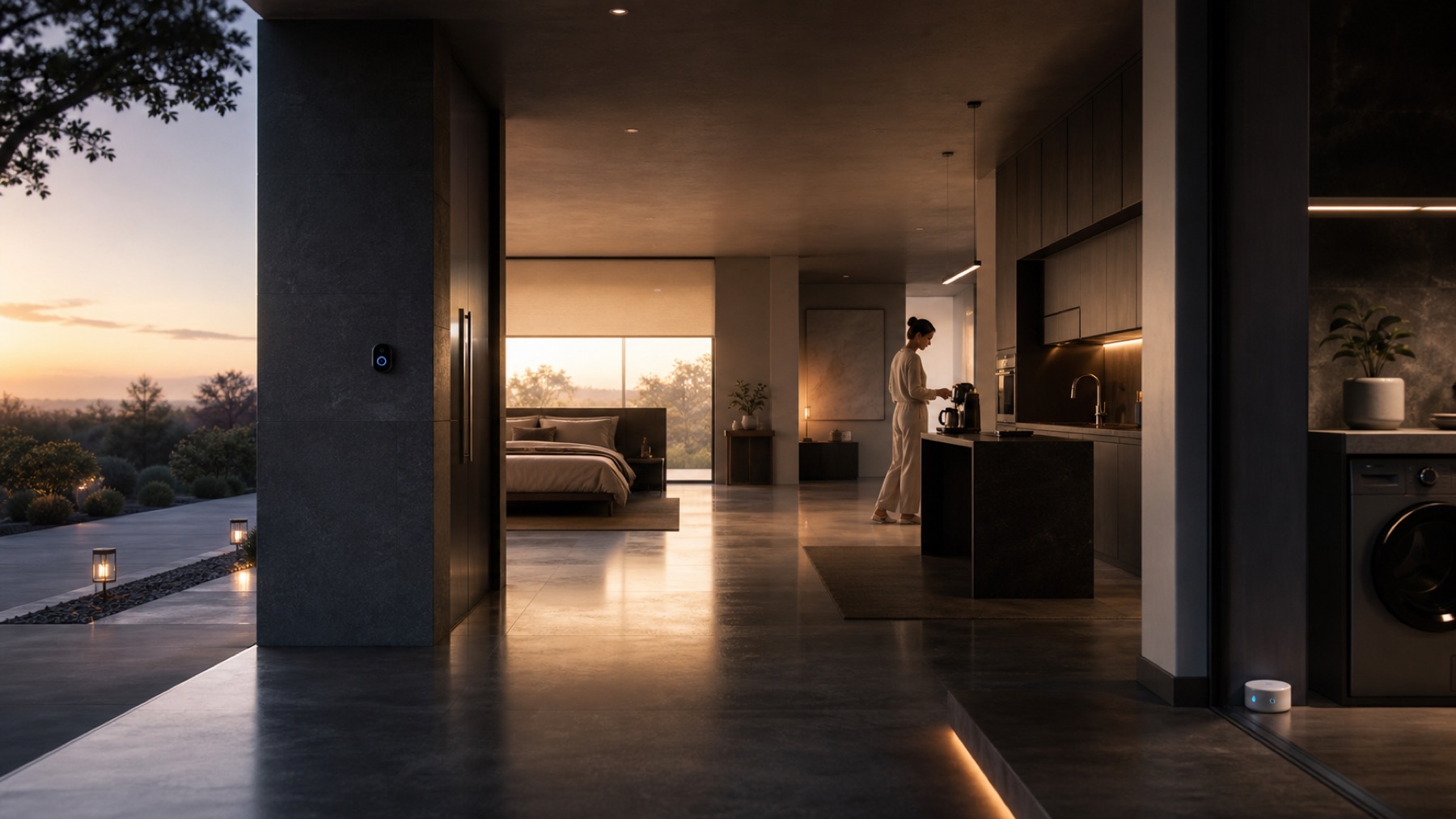
3. Arrive to what you need—not the whole house switched on
Arrival can activate a specific light path, prepare comfort in the areas you will use and clear selected away conditions. A good arrival scene is discreet.
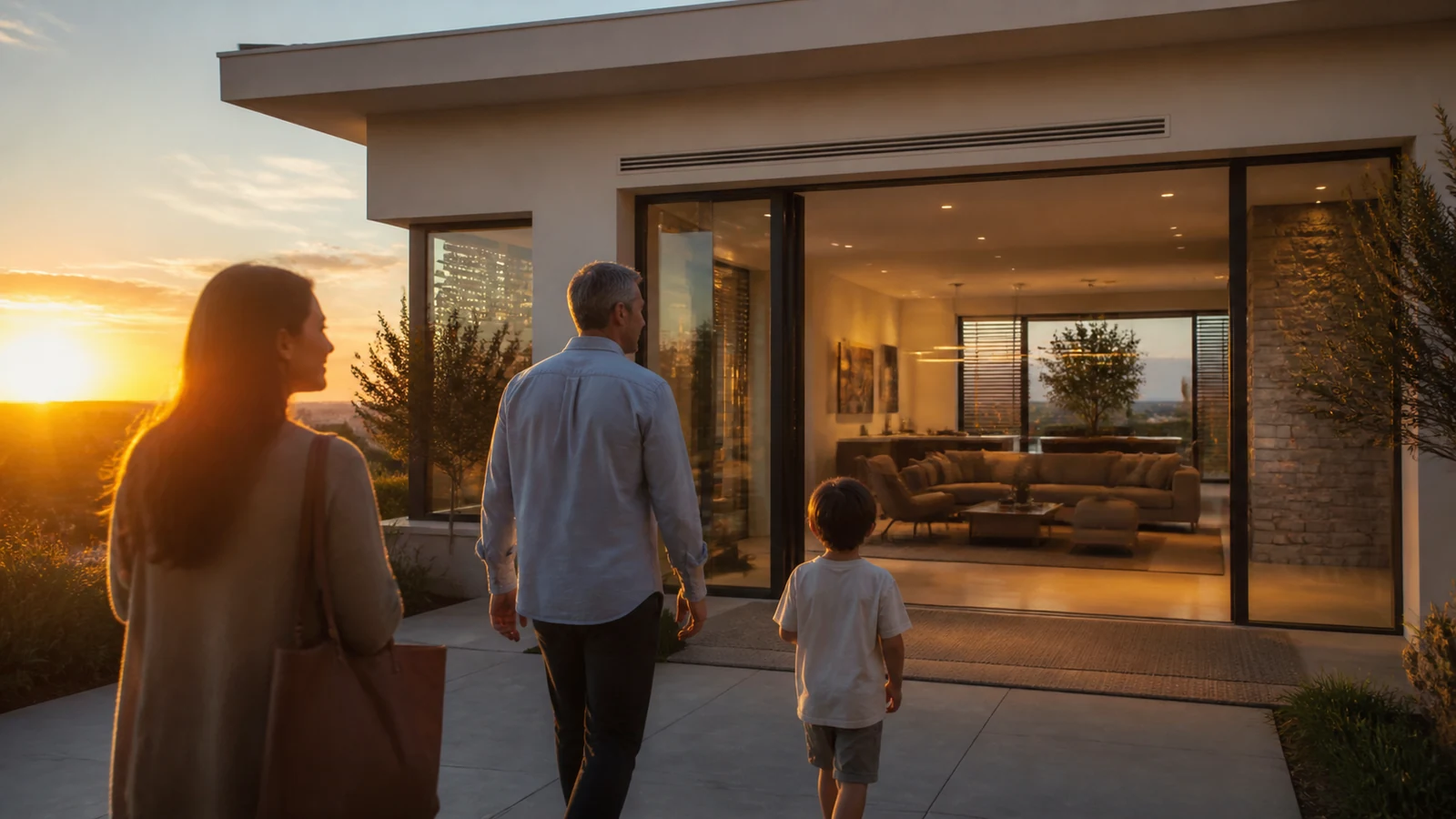
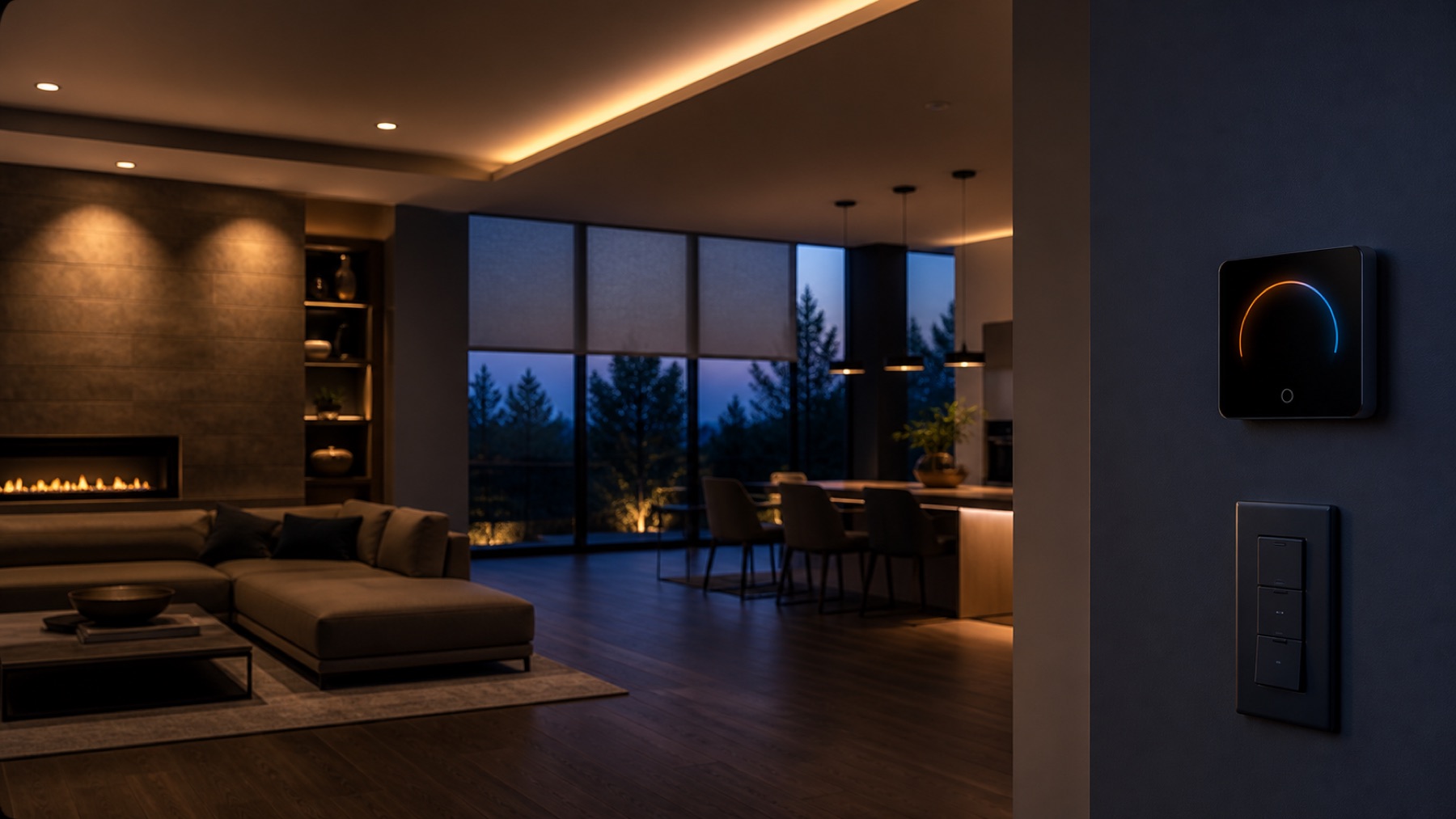
4. Good Night without checking every room
A night scene can turn off common areas, retain circulation light, close shades and confirm access. If a door remains open, the system should show the exception.
5. Climate that follows schedules and presence
Adjusting temperature when no one is home or preparing selected areas can improve comfort. Keep reasonable limits and manual control.
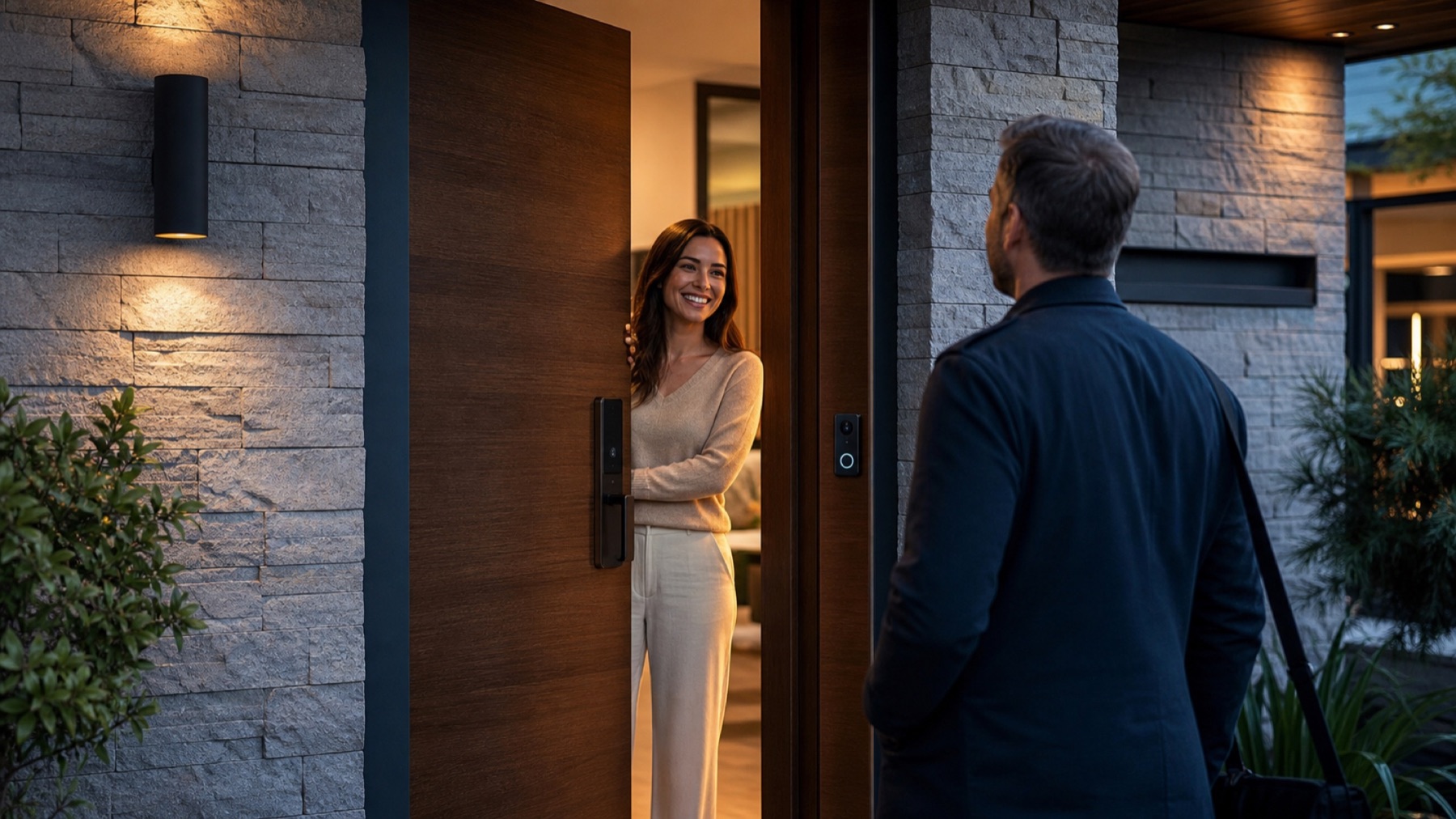
6. Temporary access for guests and service personnel
Time-limited permissions can replace a permanent key. Design expiration, revocation and what happens without Internet or a phone.
7. An away scene that connects security and presence
The house can coordinate sensors, selective lighting and notifications. This organizes events but does not replace a suitable security design.
A day with 7 useful scenes
| Scene | Typical actions | Recommended manual control |
|---|---|---|
| Wake | Shades, light, climate | Cancel/postpone |
| Leave | Lights, climate, security | Exclude zones |
| Arrive | Access, light path, comfort | Yes |
| Night | Lights, shades, access | Show exceptions |
| Climate | Setpoints/schedules | Always |
| Temporary access | Time-limited permission | Clear revocation |
| Away | Sensors/notifications | Visible administration |

Answers with the full context.
Do I need to automate the whole home to benefit?+
No. One or two well-chosen scenes may add more value than many isolated devices. Start small and grow if the technology foundation supports it.
What happens if Internet fails?+
Some rules can run locally while others rely on external services. Access functions need a safe, understandable recovery path.
How do I avoid too many apps?+
Choose an architecture and ecosystem before buying devices at random. Real compatibility matters more than the number of smart-home logos.
Does a security automation replace a security system?+
No. It can coordinate sensors, locks, lights and notifications, but it does not guarantee protection or replace an appropriate security design.
SOURCES AND REFERENCES1
References consulted for this editorial review.
- Conservar CSA Matter FAQs.