INTRODUCTION
A home can have smart bulbs, a lock, cameras, thermostats and motorized shades and still not feel integrated. Connected devices become automation when time, presence, a button, a sensor or a user action coordinates systems predictably—and manual control remains available.
1. Lighting: more than turning lights on from a phone
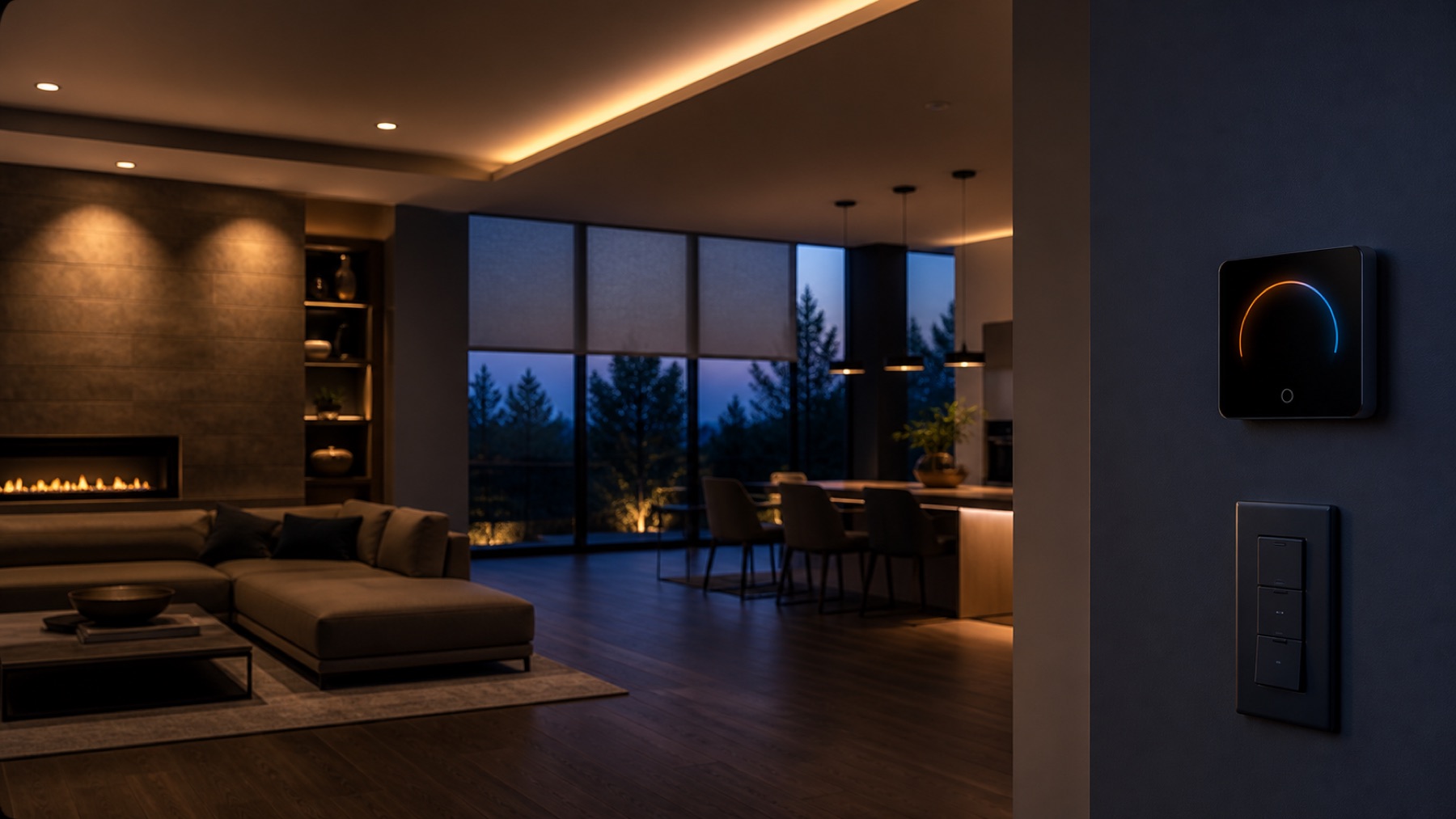
Scenes can coordinate intensity, zones, schedules, presence, physical buttons, leaving and night routines. The goal is not to replace a switch with an app; it is to remove steps from repeated moments.
Good night scene
2. Climate: comfort with limits
Climate can respond to schedules, presence, temperature and scenes, but aggressive automation becomes irritating. Manual adjustment and sensible limits matter.
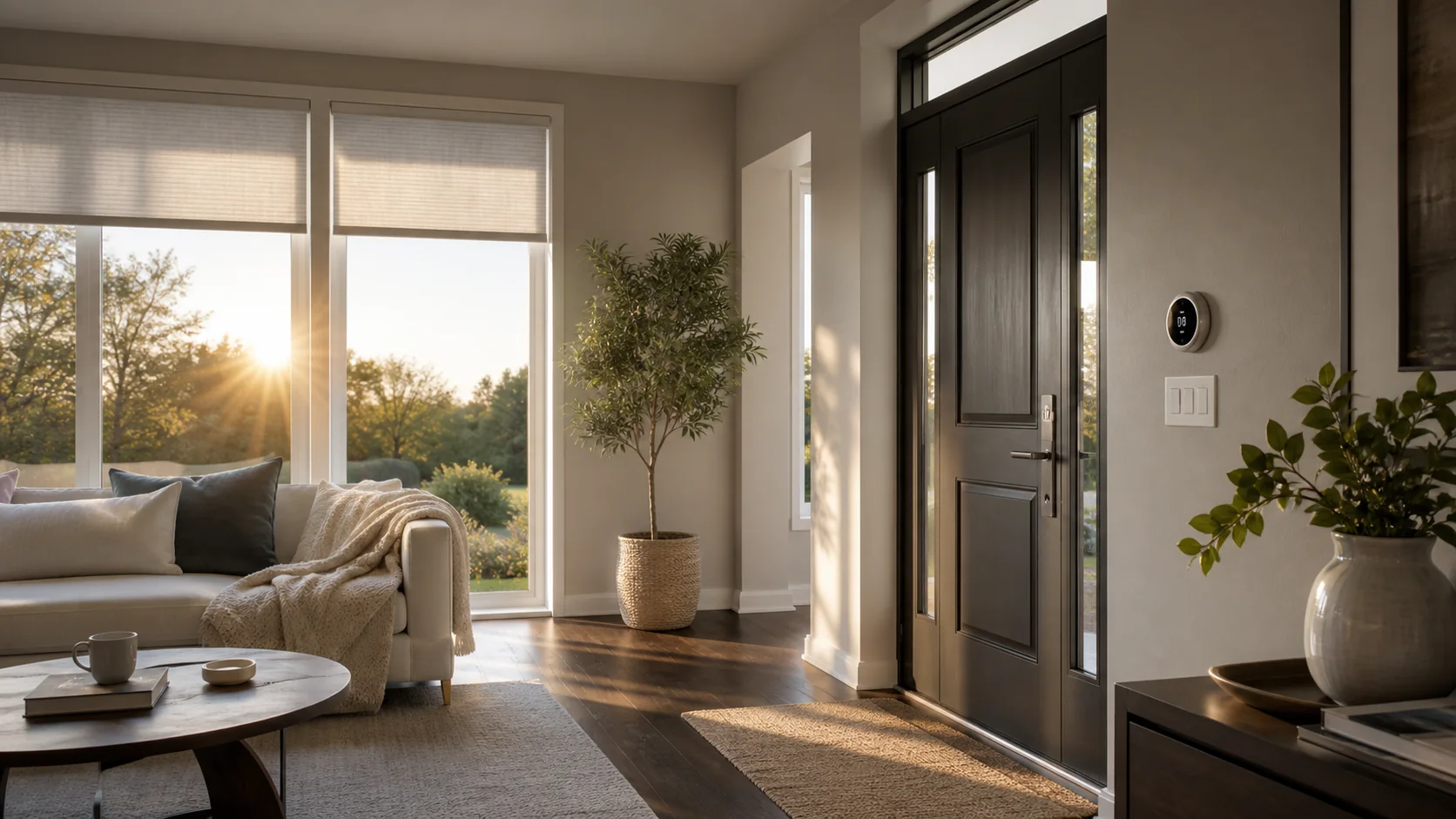
Example: an afternoon with direct sun
Shades lower to reduce glare while climate maintains its setpoint. A meeting needs daylight, so the user opens the shades. A good system respects the intervention rather than immediately fighting the person.
3. Shades: privacy, light and routine
Shades can coordinate with sunrise, sunset, scenes, presence, climate and privacy. Motors, controllers and physical safety still need proper evaluation.
4. Access: who enters, when and what happens next
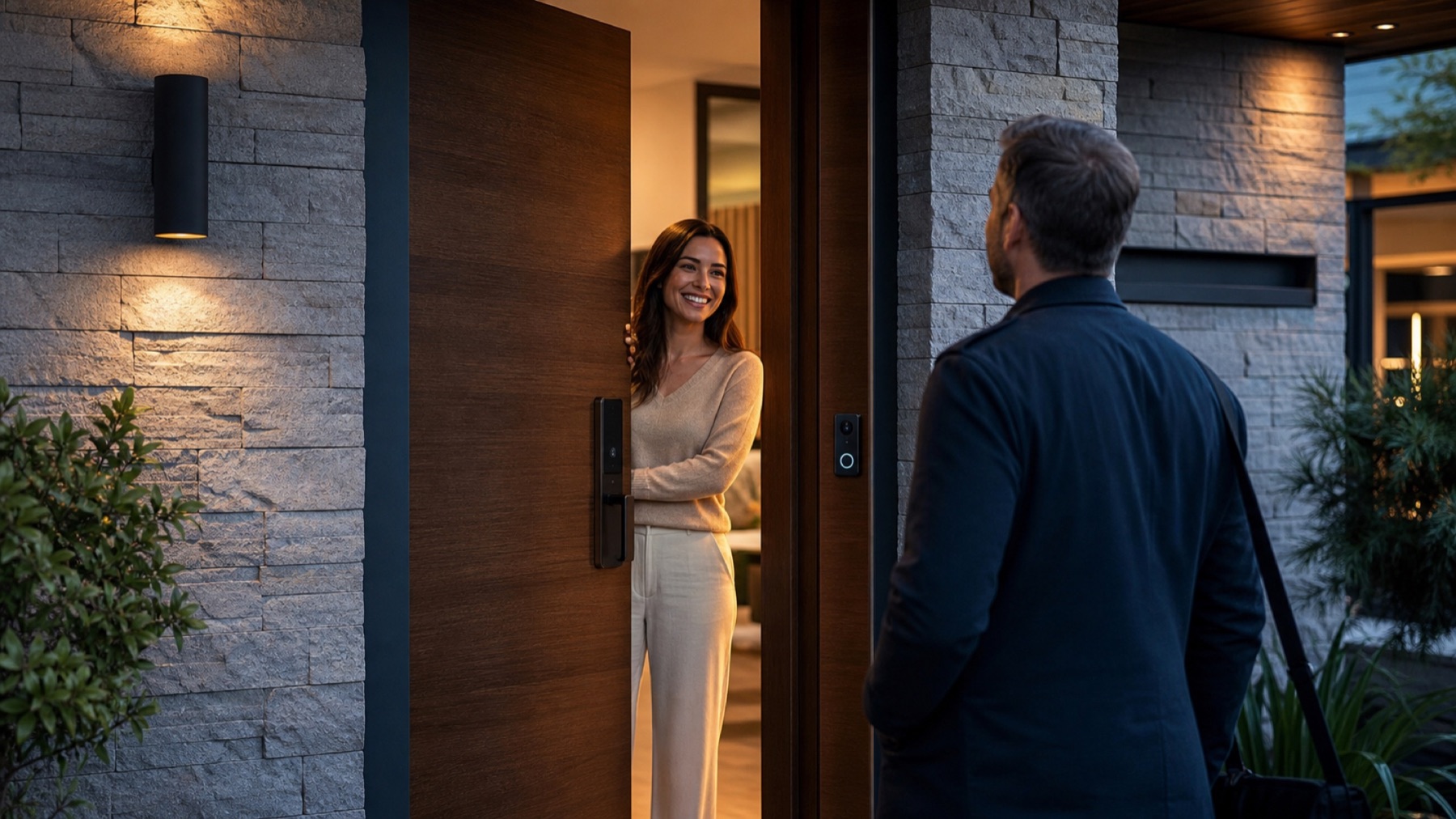
Locks and access systems can coordinate temporary credentials, video intercom, arrival lighting, alarms and notifications. The problem is broader than opening from a phone.
5. Security: understandable events
Sensors, cameras and scenes can organize away, night and entrance states, but automation does not replace security design or clarity about who receives and validates events.
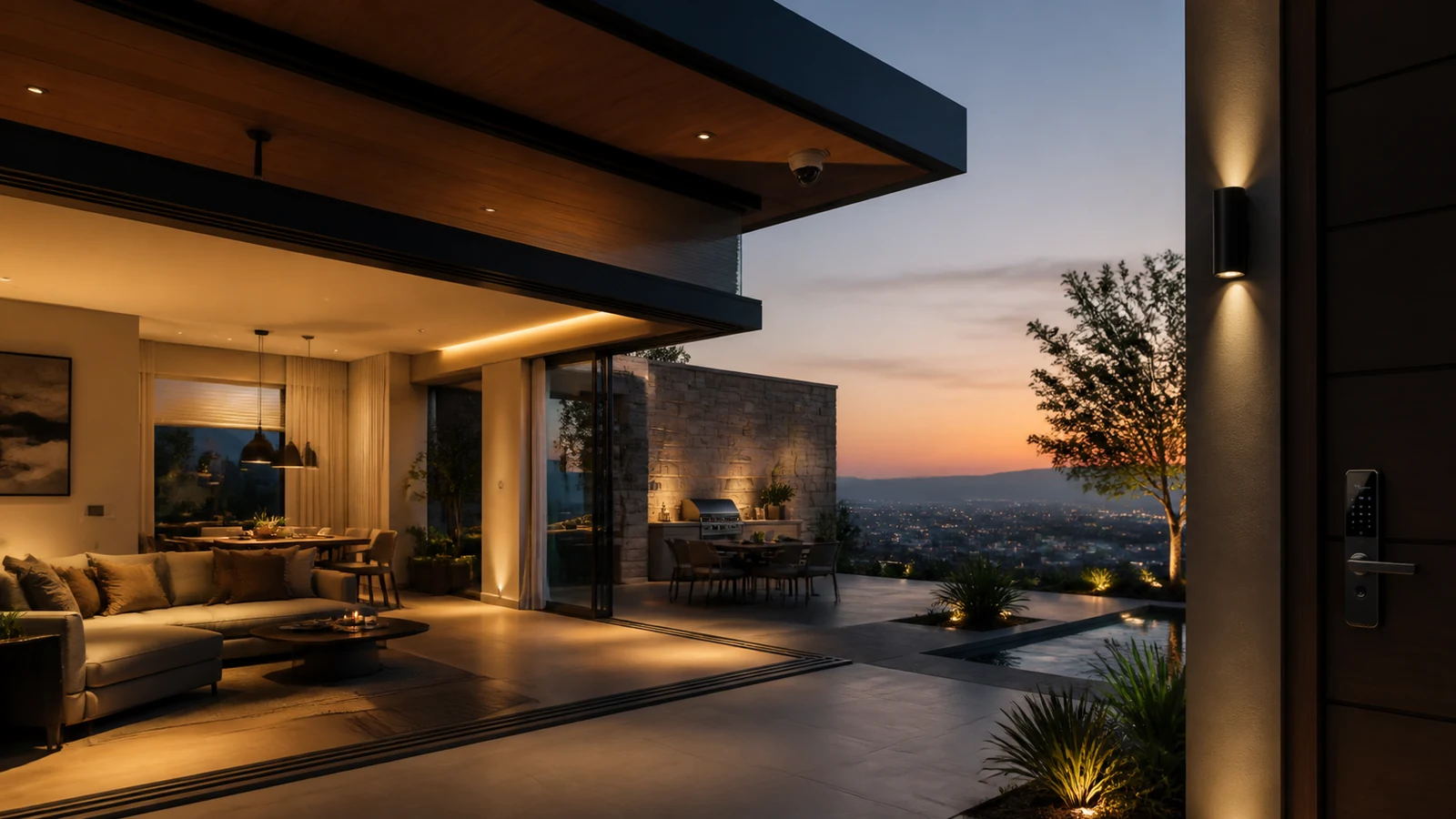
6. A Smart Home should also work when something fails
- Does the physical switch still work?
- What happens without Internet?
- How is a lock recovered?
- Who manages users?
- What happens when a sensor stops reporting?
Intelligence includes contingency behavior.
| System | Useful automation | Manual control |
|---|---|---|
| Lighting | Scenes, schedules and presence | Switch |
| Shades | Schedule, sun and scene | Button or control |
| Climate | Schedules, presence and limits | Thermostat or control |
| Access | Permissions and scenes | Safe contingency |
| Security | Arming and events | Defined manual operation |
7. Start small with an architecture that can grow
Store may fit one compatible lock or device. When lighting, climate, shades, access and security must share scenes, design the ecosystem before filling the home with separate apps.

From context to a decision.
A single device
Explore Store↗Integrated systems and scenes
Design my Smart Home↗Answers with the full context.
What is a scene?+
A group of actions executed by one trigger or command. For example, Night may adjust lights, shades, climate and security.
Should a Smart Home work without Internet?+
Some functions can run locally while others depend on cloud services. Understand that dependency before choosing a platform, especially for access, lighting and security.
Does Matter guarantee that everything works the same?+
Matter aims to improve interoperability in compatible categories, but proprietary features may still differ. Verify the actual products and ecosystem.
What should be automated first?+
Start with a frequent, simple routine that has clear value and retains manual control. The dedicated prioritization article develops that question further.
SOURCES AND REFERENCES1
References consulted for this editorial review.
- Matter FAQConnectivity Standards Alliance