INTRODUCTION
A solar kit can be a practical way to group modules, inverter and related components. But there is an important difference between a compatible set of equipment and a system correctly sized for a specific property.
A kit knows its components. It does not know your utility bills, shade, panel condition, usable roof area or whether you want to add a battery or EV later. That does not make a kit a bad option; it means the technical question should be answered before the purchase.
What a solar kit solves well
A kit reduces the work of sourcing parts separately. It works best when you already know the consumption to offset, system architecture, usable space, electrical service, backup requirement, future growth and who will install and commission it.
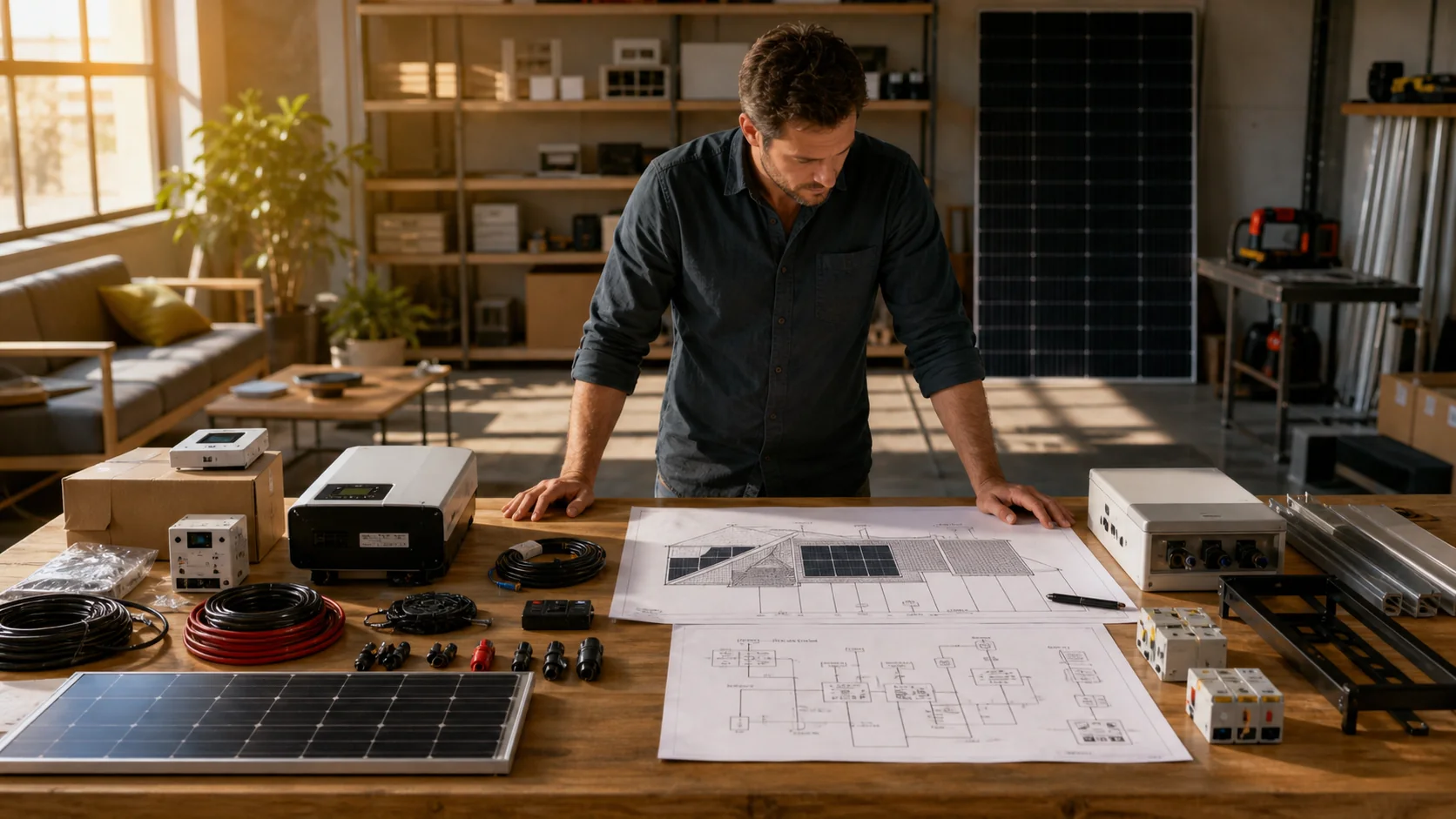
The roof can change what looked like a simple purchase
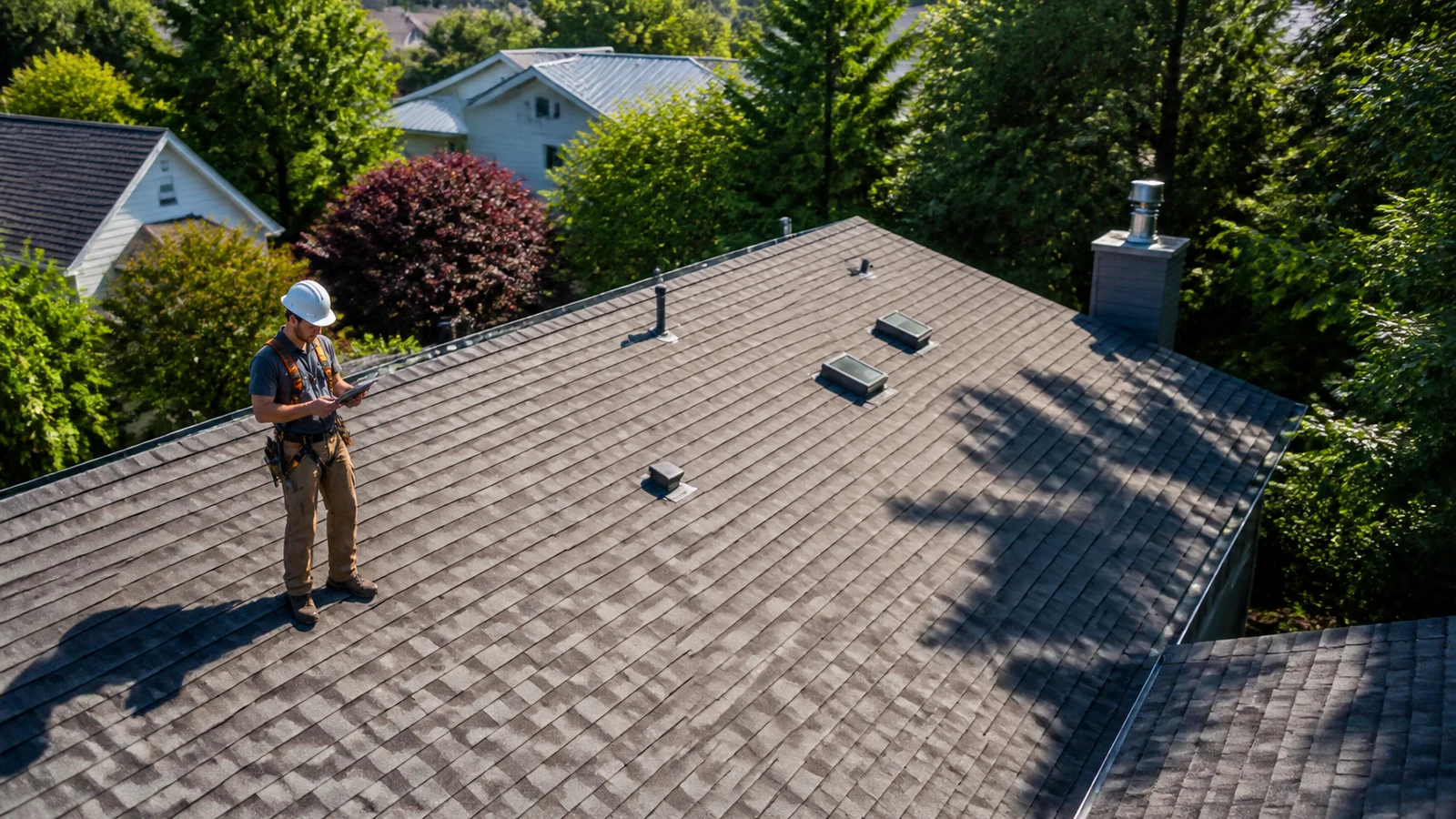
Two homes may use almost the same energy. One has a broad, clear roof with favorable orientation. The other has multiple slopes, afternoon shade, rooftop equipment and maintenance clearances. They may need similar energy, but not necessarily the same module layout.
EXAMPLE: the same kit can be ideal at one site and unsuitable at another
A small warehouse with steady daytime demand, clear roof and documented panel may fit a previously sized configuration. A property with multiple orientations, shade and future backup needs should resolve the architecture first, or early purchases may need to be replaced.
What changes when batteries or backup are part of the plan?
A grid-available system focused on lowering consumption is not designed like one that must sustain loads during an outage. Review inverter compatibility, critical-load power, stored energy, transfer and isolation, battery location and growth strategy.
Planning for the future does not mean buying everything today. It means avoiding unnecessary dead ends.
A kit begins with equipment. Design begins with context.
Direct comparison
| Aspect | Solar kit | Custom-designed system |
|---|---|---|
| Component selection | Already grouped | Defined by architecture |
| Consumption | Must be sized beforehand | Included in the analysis |
| Roof and shade | Validated separately | Built into the design |
| Protection | May be partially defined | Sized for the site |
| Future batteries | Depends on kit/inverter | Can be anticipated |
| Installation | Still needs technical review | Part of the complete solution |
| Best fit | Known need, simple conditions | Open variables or future integration |

Answers with the full context.
Is a solar kit sized for any home?+
No. A kit is built around a defined group of components, but it cannot know each property's consumption, solar resource, shade, roof or electrical installation.
Does a custom system always use special components?+
No. It may use the same commercial equipment found in kits. Custom describes how quantity, combination, protection and layout are justified by the site and objective.
Can I buy a kit and add batteries later?+
Possibly, depending on architecture and inverter compatibility. If storage is a genuine future option, review it now to avoid unnecessary replacement.
What should I compare besides price?+
Scope, exact models, protection, structure, installation, commissioning, monitoring, warranty, support and growth. Different quotes may include very different work.
SOURCES AND REFERENCES2
References consulted for this editorial review.
- Conservar:
- U.S. Department of Energy — Homeowner’s Guide to Solar