INTRODUCTION
Two homes with the same bill can end up with very different solar arrays: roof, shade and goals change the answer.
A monthly bill can start the conversation, but it does not describe when energy is used, how the roof is shaded, what the system should offset or whether future loads such as an EV are expected.
Translate the electricity bill into an energy objective
Review several billing periods and separate seasonal changes, new loads and unusual habits. Monthly energy supports a goal: offset a portion, approach annual consumption or prepare for future loads.
- Twelve months of electricity consumption when available
- Goal: offset, resilience, future loads or another objective
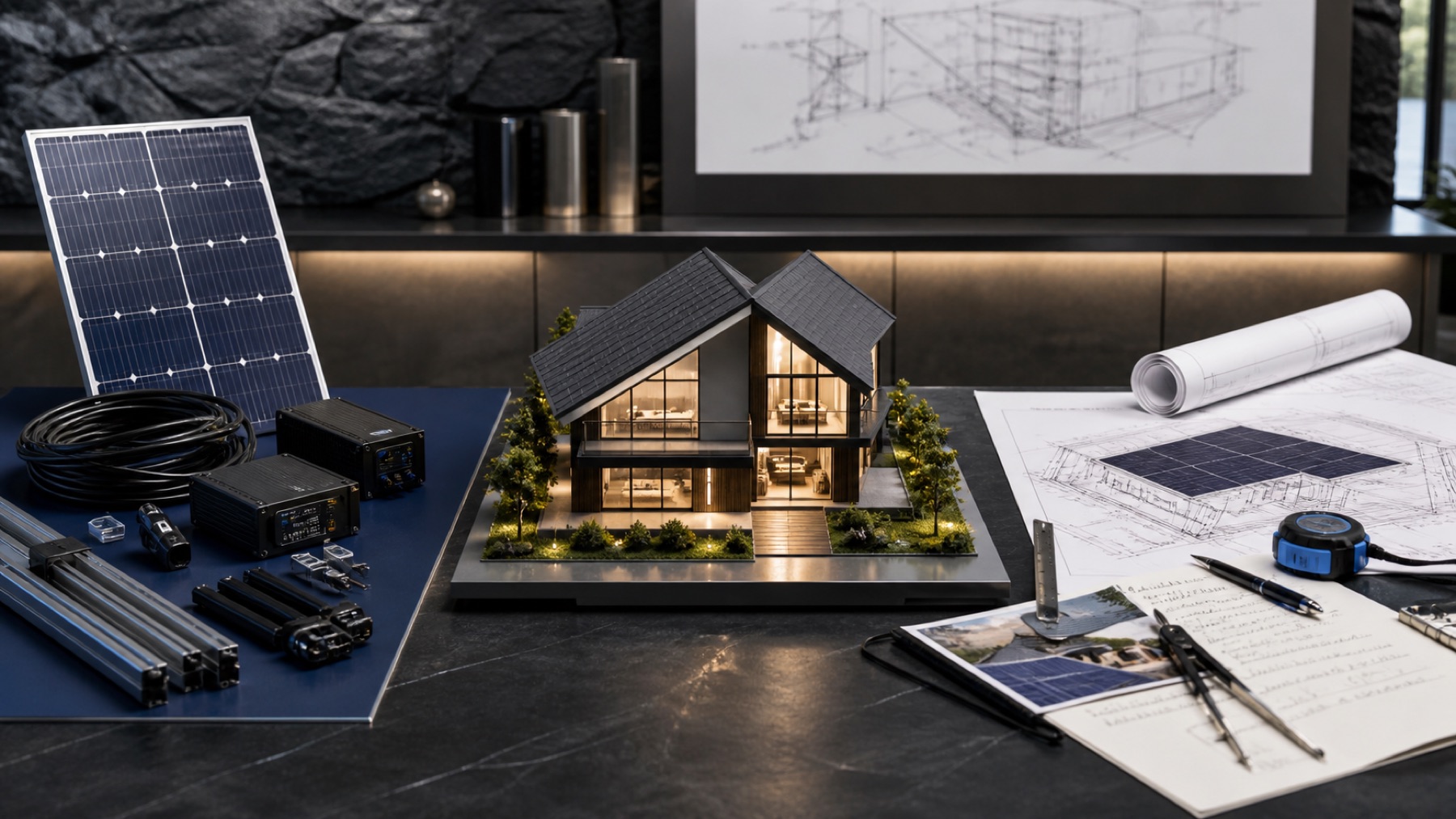
- Roof area, orientation, tilt and shading
- Module power and electrical characteristics
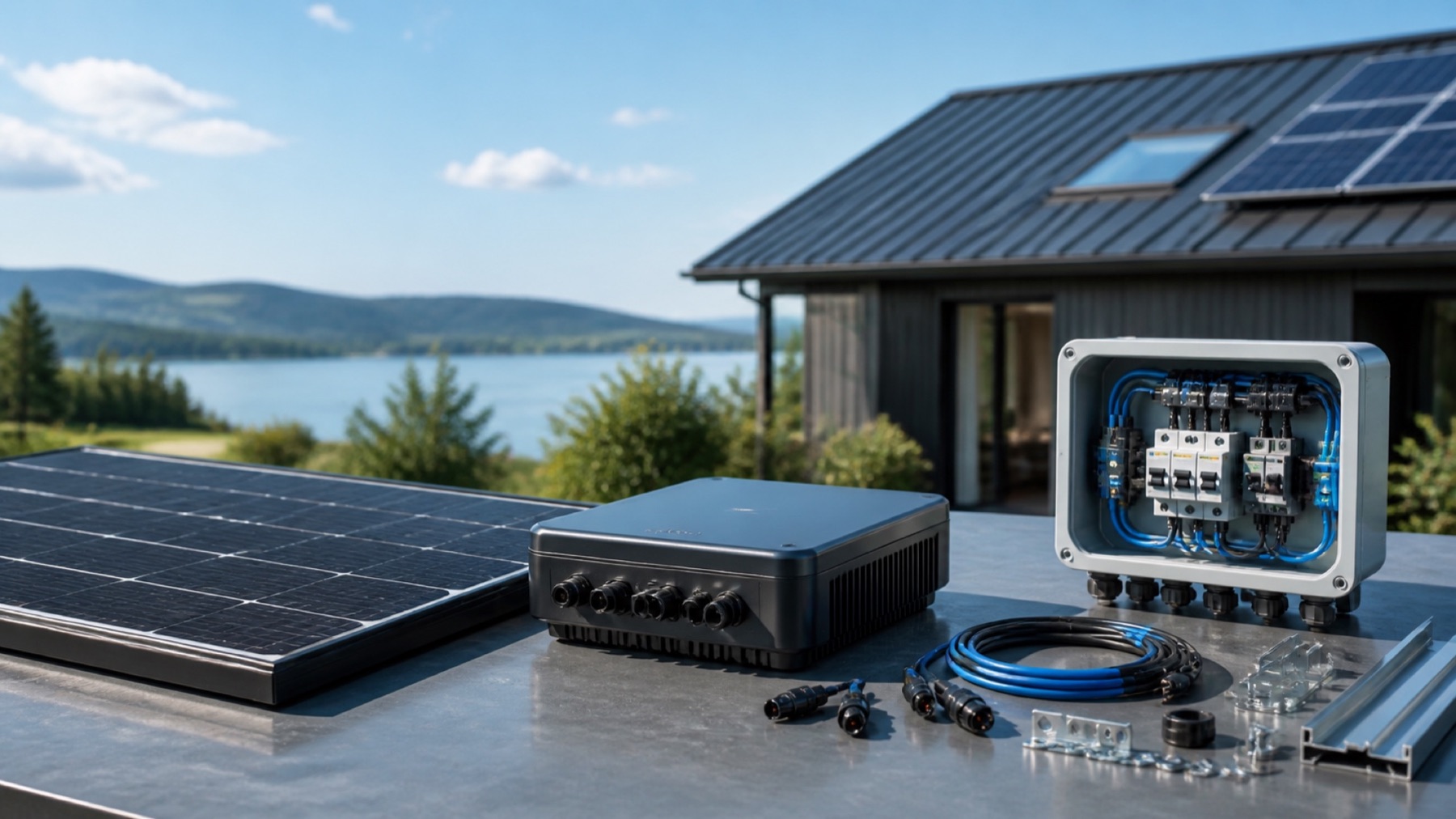
- Inverter architecture and string limits
- Structure, pathways, protection and interconnection conditions

Why the same house can receive different answers
The same nominal capacity does not deliver the same energy everywhere. Solar resource, temperature, orientation, tilt and system losses shape expected yield, so a panels-per-bill rule is insufficient.
| Variable | What it changes | Why panel count alone is insufficient |
|---|---|---|
| Consumption | Energy target | Bills and habits vary over time |
| Solar resource | Expected production | Location, season and weather matter |
| Shade and orientation | Useful generation by roof plane | Panels with equal ratings can perform differently |
| Module choice | Power and physical area | More watts may also mean different dimensions or electrical limits |
| Future demand | Design headroom | EV charging or new equipment can change the objective |
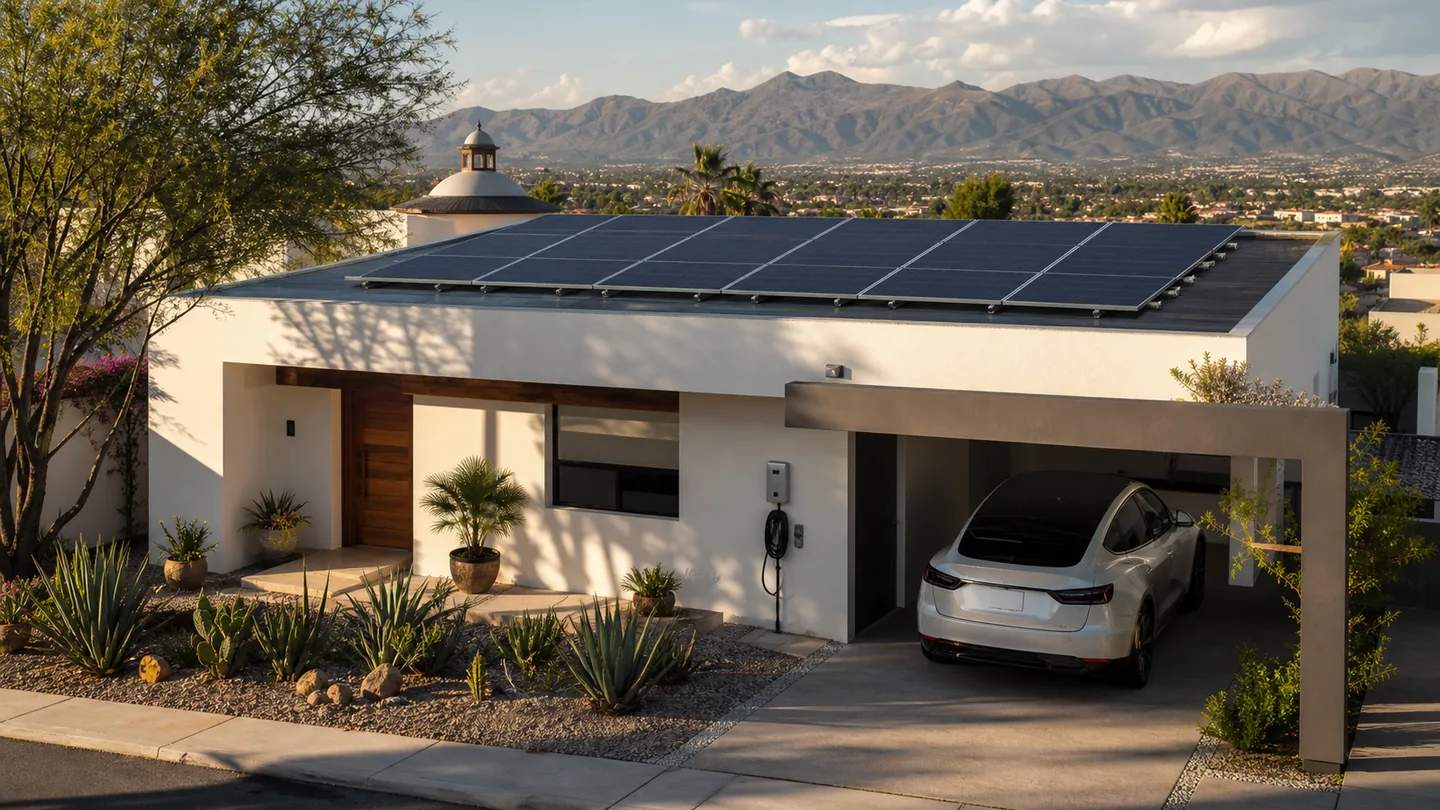
Production, roof layout and electrical limits must agree
A credible estimate states the production assumptions and then checks whether the proposed array fits structurally and electrically. The roof should not be treated as an empty rectangle.
How panel count is actually derived
The same annual consumption can lead to different arrays
Two homes use similar annual energy. One has an open, well-oriented roof and few obstructions; the other has multiple roof planes, seasonal shade and limited space near the service equipment. A spreadsheet may suggest the same DC capacity, yet the second design may require a different layout, equipment choice or compensation target. Panel count appears only after the energy goal meets the physical site.
Panel wattage alone cannot describe annual performance
Use an estimate to prepare the survey, not replace it
Shade, equipment, maintenance paths, structure, edges and electrical routes reduce usable area. A higher-power module may help limited space, but it does not fix shade or an unsuitable structure.
Review at least a full consumption cycle, expected future loads, local solar resource, shade, roof condition, pathways, inverter operating range and interconnection requirements. If backup is also required, islanding and protected loads become a separate architectural decision. A transparent estimate states these assumptions before converting capacity into a number of modules.
- 01Collect representative consumption history
- 02Define what the system should accomplish
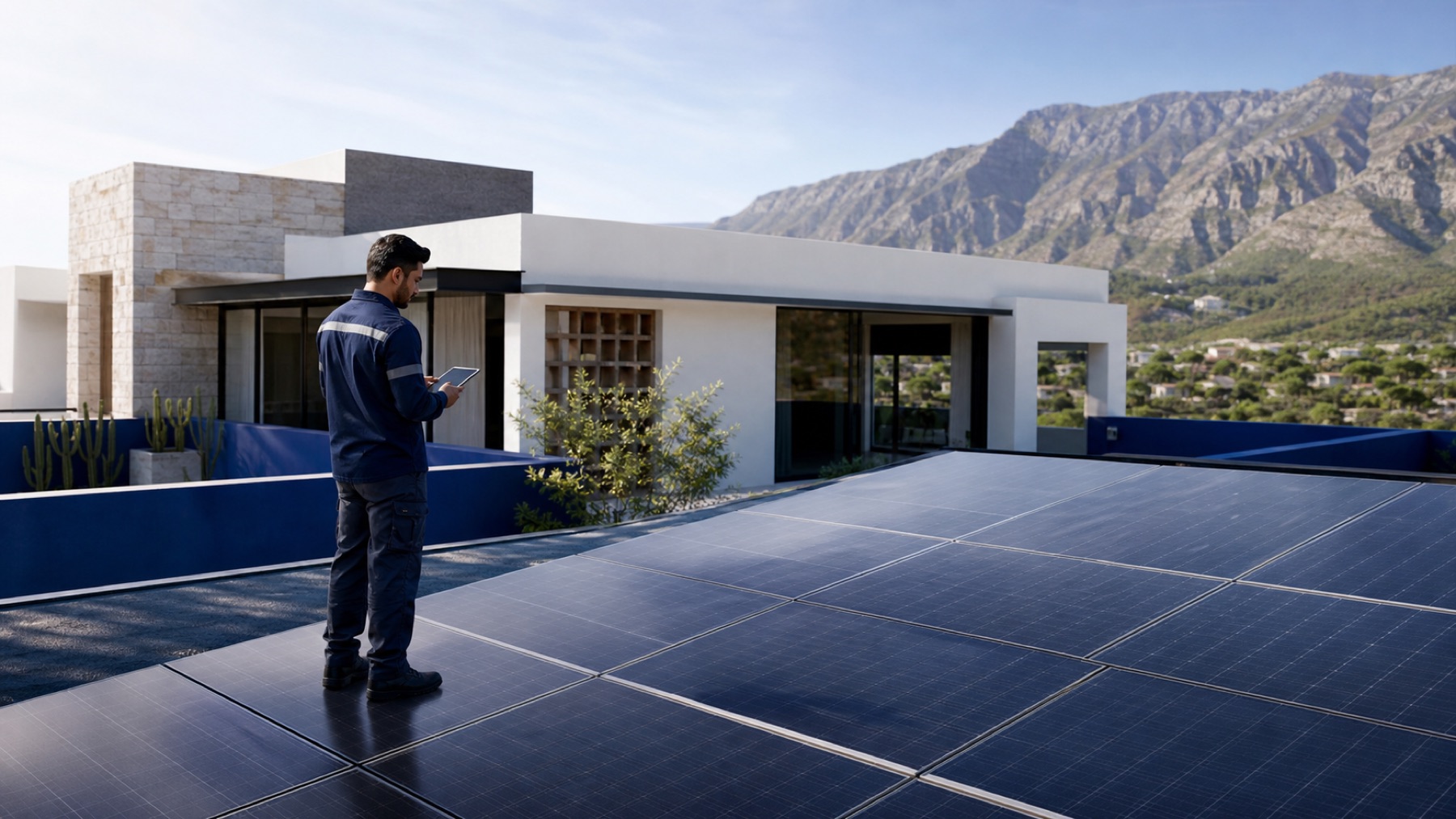
- 03Survey roof planes and shade
- 04Check electrical and structural constraints
- 05State production and loss assumptions

From context to a decision.
Estimate system scale
A transparent first pass using your consumption.
Open calculator↗Review solar technology
For a compatible, defined architecture.
Explore Store↗Design around the real site
For roof, shade, electrical or integration constraints.
Evaluate my project↗Answers with the full context.
Can panel count be calculated from one bill?+
One bill is a weak basis because consumption changes by season. A representative history and a clear offset target produce a more useful estimate.
Do higher-wattage panels always reduce the number needed?+
They may, but physical dimensions, electrical characteristics, inverter limits and roof layout must still be checked.
Does a solar system work during a grid outage?+
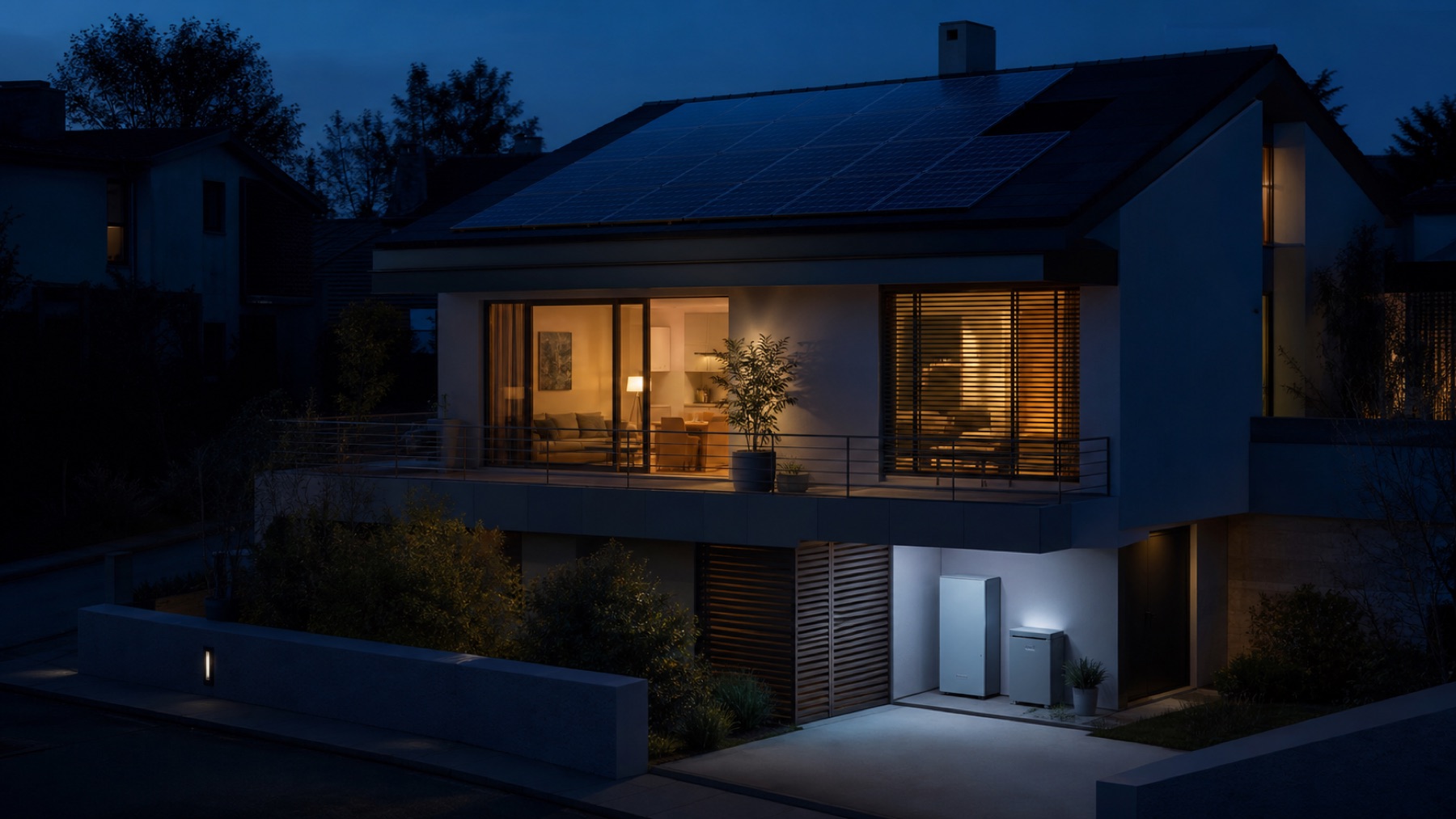
A conventional grid-tied system may shut down for safety. Backup operation requires an architecture designed for islanding, storage and protected loads.
What should be inspected before a final proposal?+
Roof condition, shade, structure, pathways, electrical service, grounding, protection, interconnection and future loads all deserve review.
SOURCES AND REFERENCES2
References consulted for this editorial review.
- U.S. Department of Energy — Homeowner’s Guide to Solar.
- NREL — PVWatts Calculator y documentación V8: estimación de producción según ubicación y parámetros del sistema; resultados sujetos a supuestos e incertidumbre.