INTRODUCTION
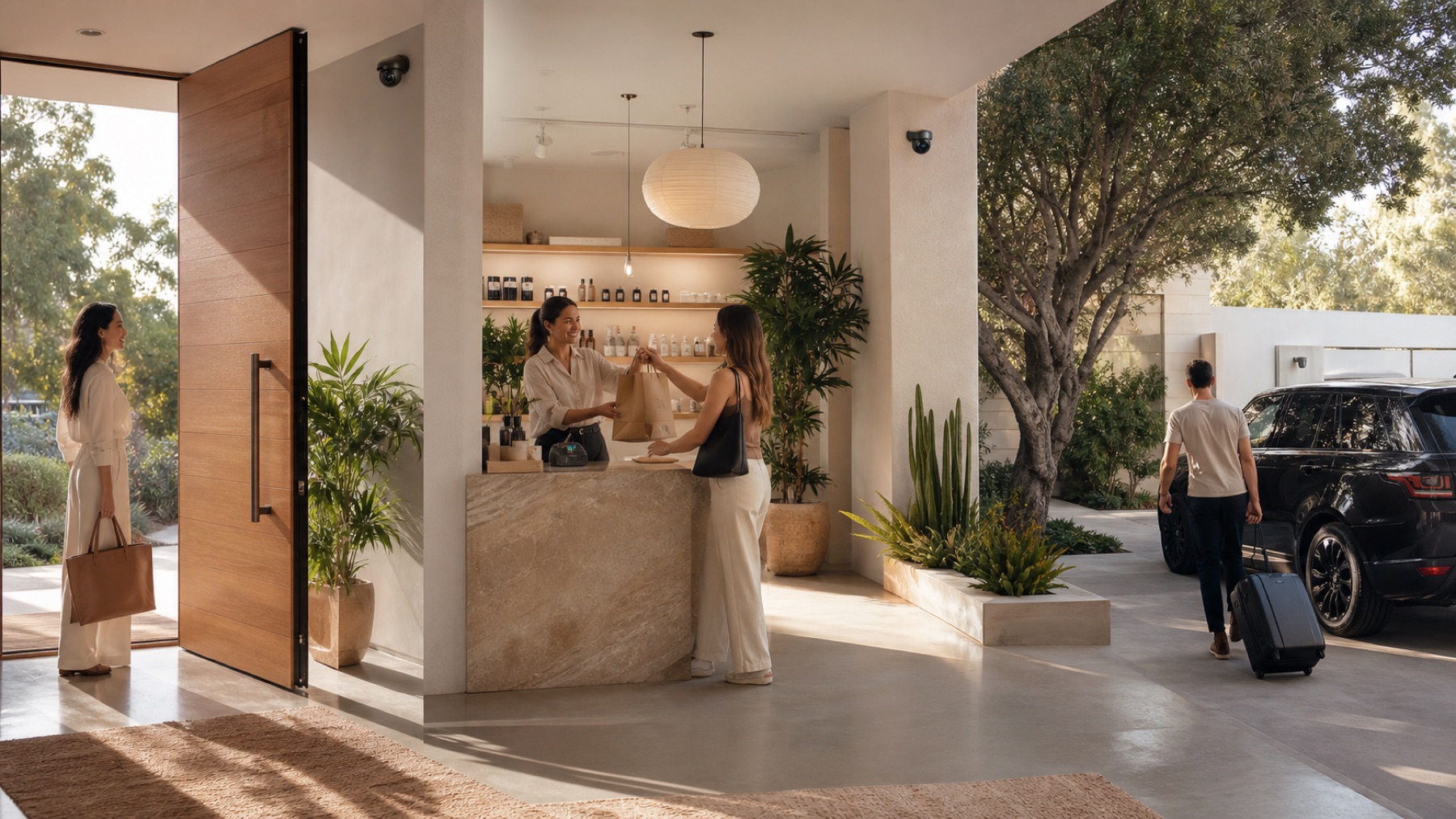
There is no responsible formula such as one camera per square metre. A home is not protected as a uniform surface. Events happen at doors, driveways, side passages, yards, gates, delivery points and paths from the street.
First identify those scenes and decide what each should show.
1. Start where a person enters or approaches
Walk the property as a resident, visitor, delivery driver, vehicle and someone attempting unauthorized entry. Where do important decisions happen?
Entrances and approaches around a home
1. Pedestrian entrance
2. Driveway
3. Side passage
4. Rear yard
5. Delivery area
Follow real movement; do not place one camera on every corner.
2. Cameras should not all do the same job
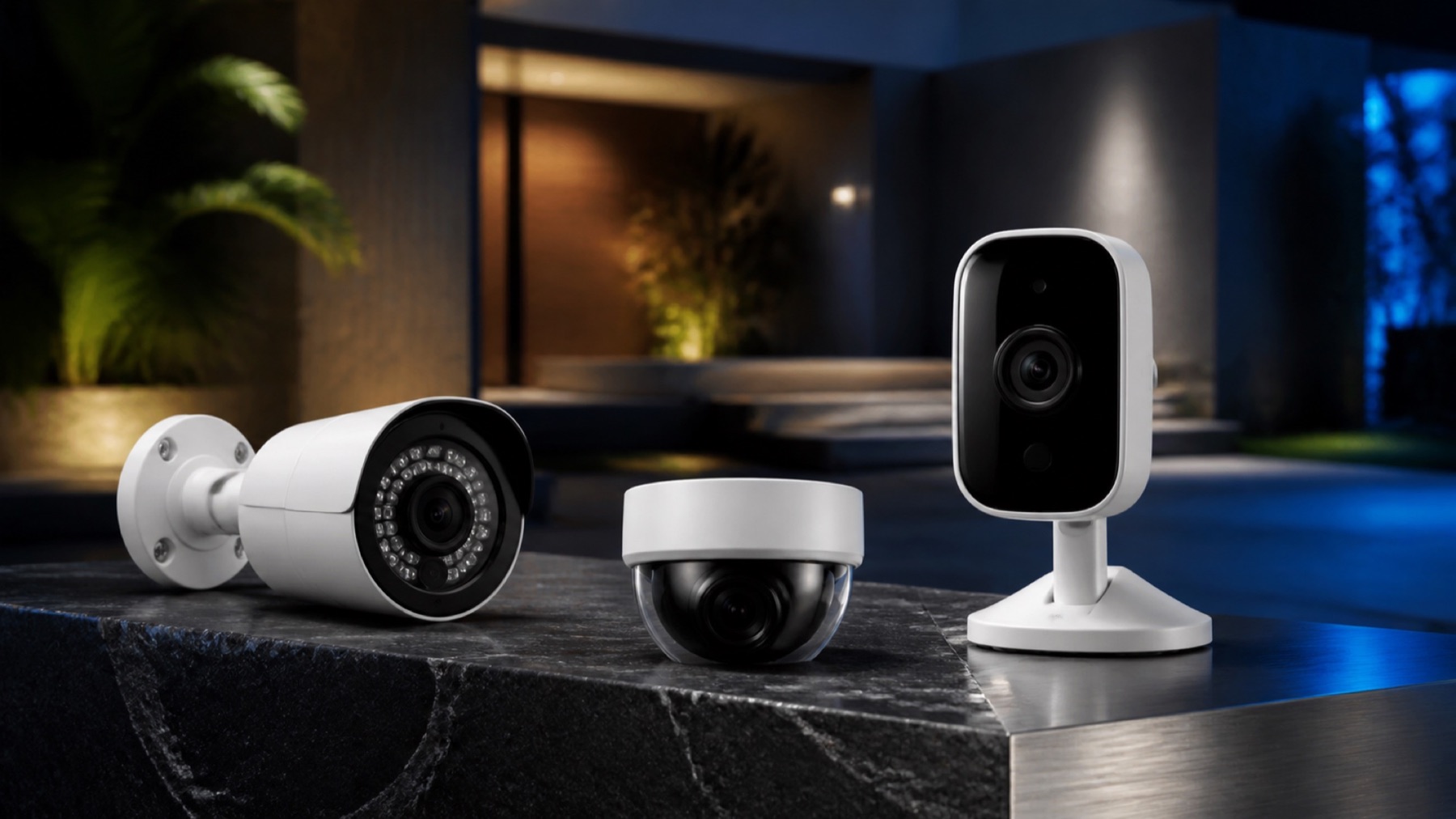
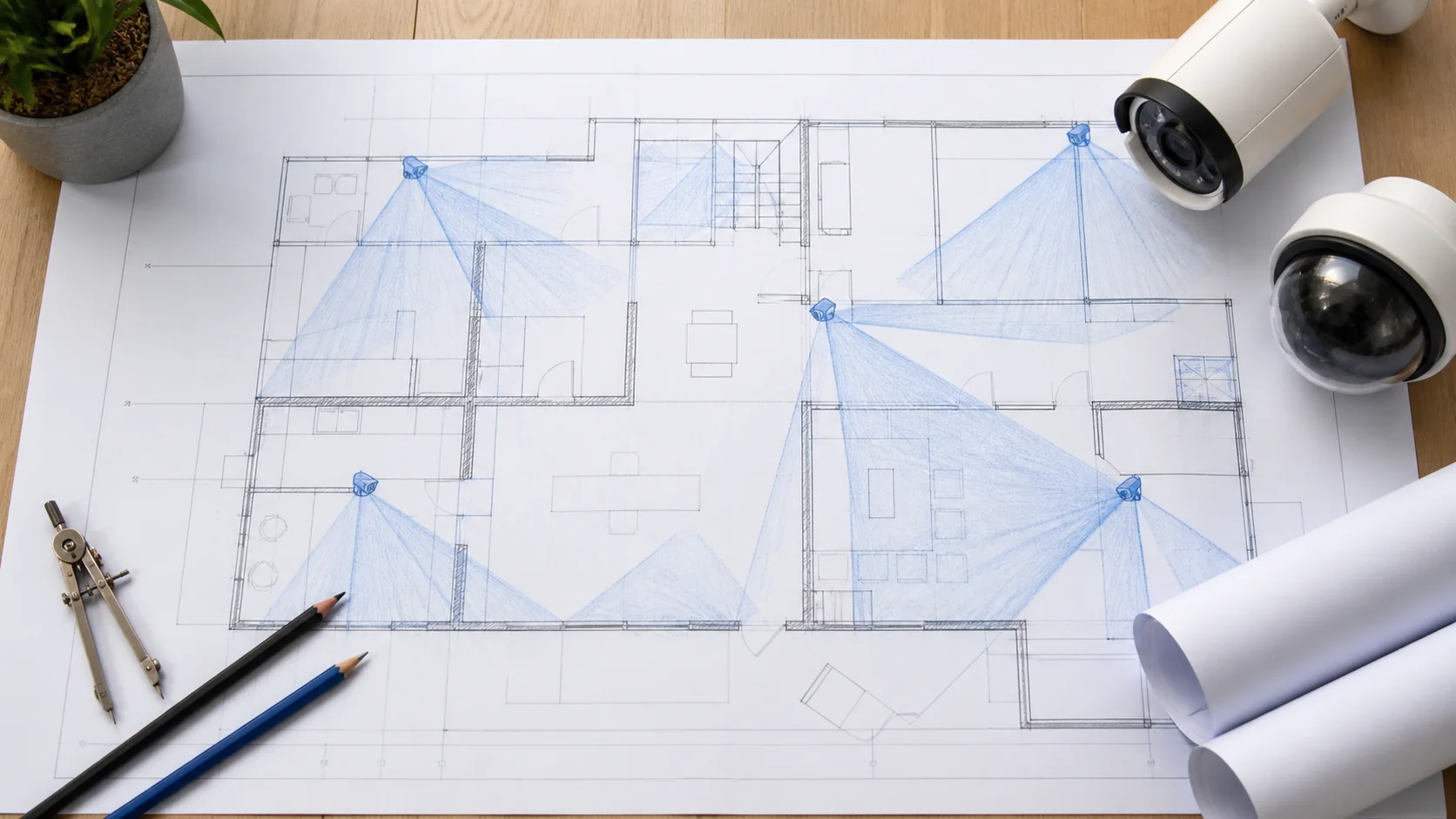
One camera may provide driveway context while another is dedicated to the front door. A single very wide scene may ‘cover a lot’ and explain very little.
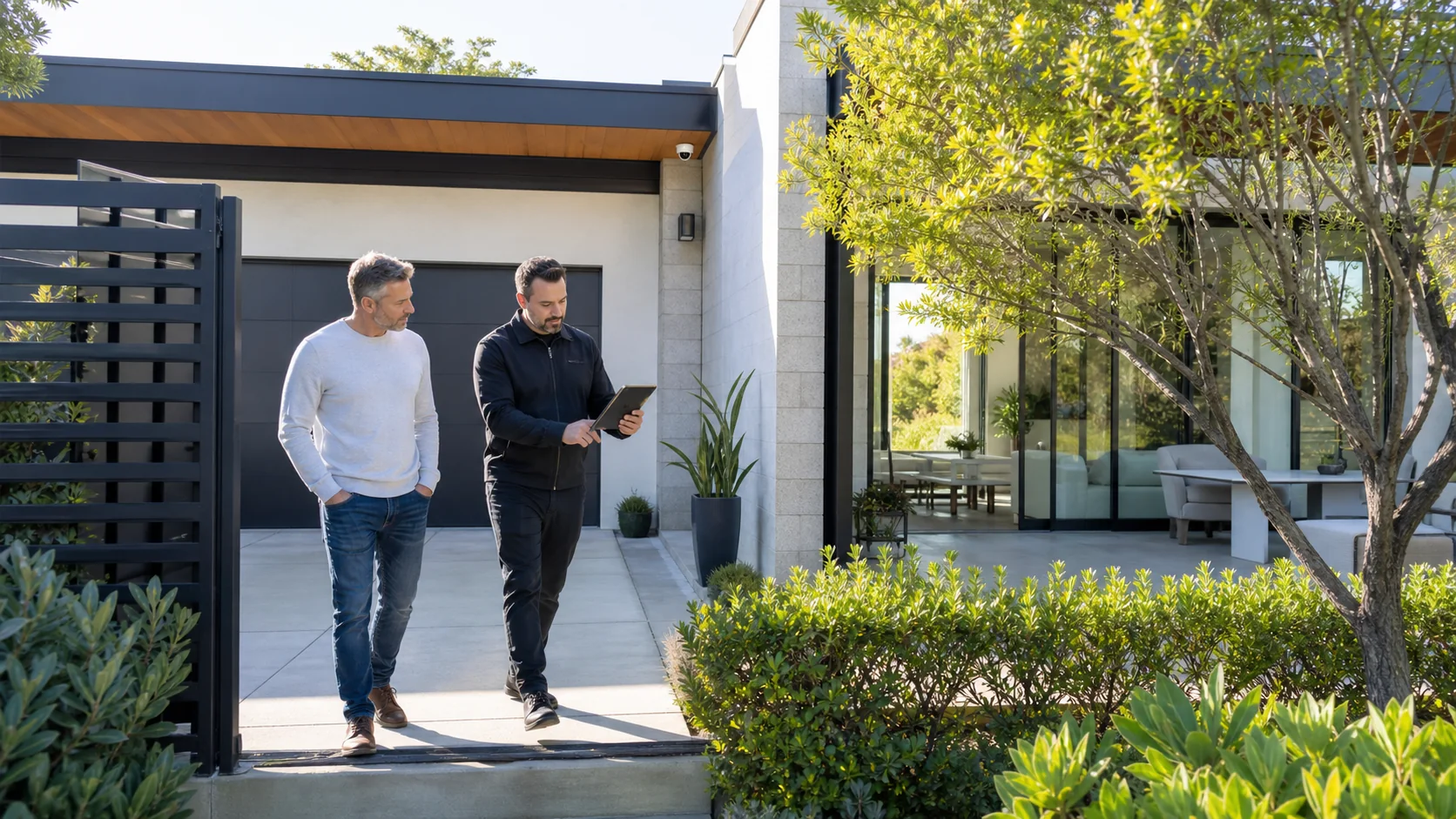
Example: three well-placed cameras instead of six redundant ones
A home installs cameras symmetrically at every corner. Two see nearly the same area while neither captures the side entrance. Reframing the plan around door, driveway and side passage makes camera count the outcome rather than the objective.
3. Privacy is part of the design
Avoid pointing unnecessarily into a neighbor’s private space or areas where surveillance is inappropriate. Review the angle, reduce irrelevant coverage, define access to recordings and verify applicable local rules.
4. Night, headlights and vegetation can change the result
Test scenes by day, at night, with exterior lighting, with vehicles and under relevant reflection or weather conditions. The ideal daytime position may fail during the event that matters most.
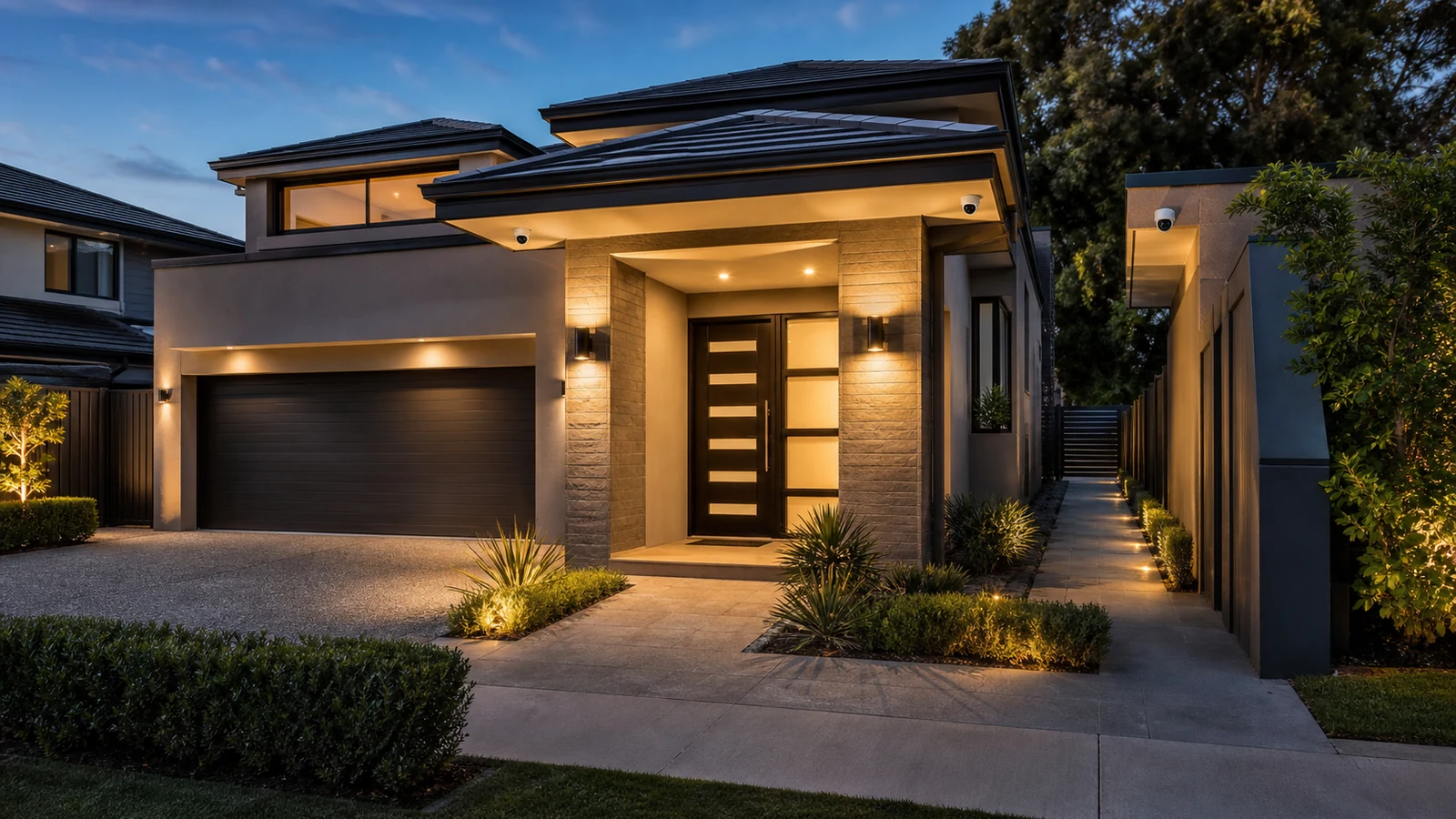
5. So how many cameras?
Count required scenes, not rooms, then remove redundancy.
| Zone | Question |
|---|---|
| Front door | Arrival, face or package? |
| Driveway | Context or vehicle detail? |
| Side passage | Is there an unseen route? |
| Yard | Entrance or only a living area? |
| Interior | Is there a real and appropriate need? |

From context to a decision.
A defined kit
Explore Store↗Plan scenes and retention
Open the planner↗Integrate residential security
Design my security↗Answers with the full context.
How many cameras does a home normally need?+
There is no universal number. Count depends on entrances, paths, perimeter, lighting, privacy and the objective of each scene.
Should cameras be installed inside the home?+
Only where there is a specific and appropriate need. Residents’ and visitors’ privacy deserves particular care indoors.
Can one wide-angle camera replace several cameras?+
It can provide more context, but it may not provide the required detail throughout the scene.
How many days should video be retained?+
It depends on the purpose, storage, activity and retrieval need. The CCTV Planner can provide a first estimate.
SOURCES AND REFERENCES2
References consulted for this editorial review.